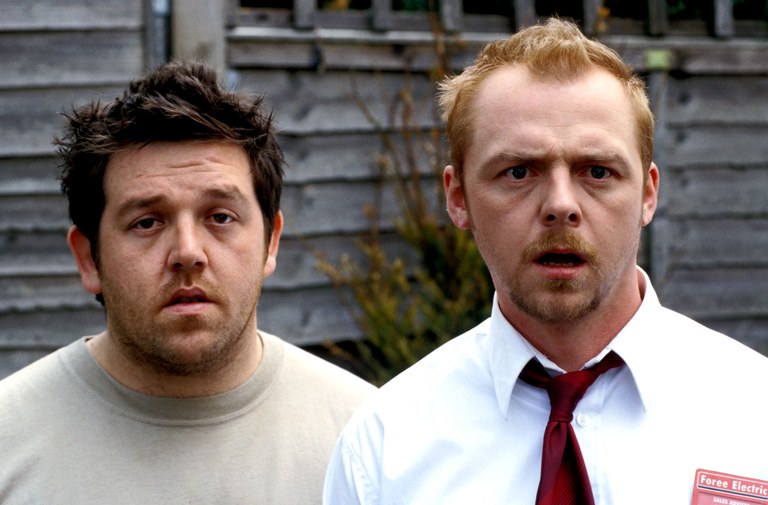
At least from a personal level, I feel as though modern comedy films have lost a lot of their edge. Whilst everybody’s sense of humour is individual, granted, a lot of films that try to be funny nowadays aren’t very creative in the way they go about it. A lot of their efforts are primarily verbal and it feels a lot like the actors on screen are just being filmed performing improvisational comedy rather than reacting to actual jokes on screen.
Edgar Wright has always been one of my favourite directors and I wanted to highlight some of the ways in which he demonstrates a knowledge of visual humour rather than just relying on the talent (or lack thereof, you might be able to argue) of the actors on screen.
The scenario: you want to foreshadow an apocalyptic, world-ending scenario as the main plot of your film but you don’t want the characters to notice straight away. The easiest way to go about this is having them fail to notice something important on the television; a news report or something akin to it. The average filmmaker might simply introduce the concept for a few seconds on screen; long enough that we are able to realise what was going on but no real connection has been shown between that and the characters.
One of my favourite jokes in Shaun of the Dead is how we are introduced to the idea of the apocalypse; our protagonist is simply flicking through television channels trying to find something to watch, but the manner in which he does so reveals to both him and the audience the events that are going on around him.
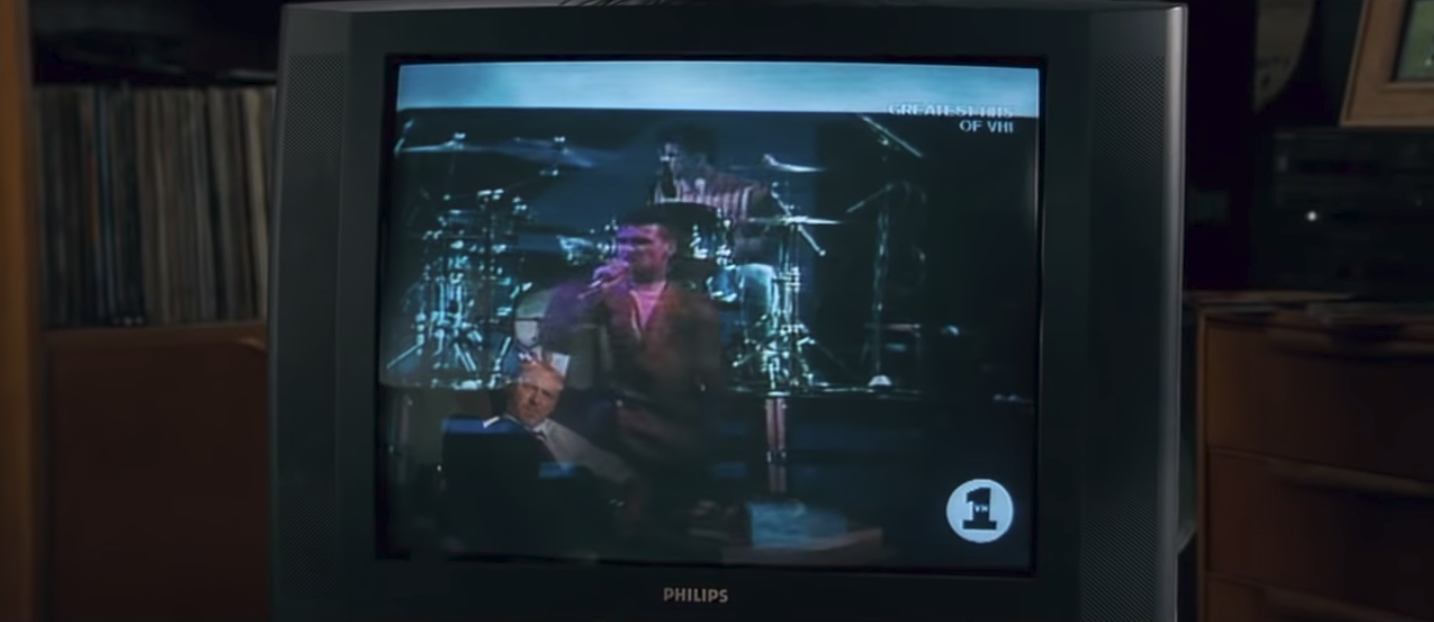
A very simple trick, but it’s both comedic and informative to the viewer so we progress the plot and receive a laugh from the goings on but our hands aren’t being held at the same time. It’s this ability to take what would normally be a very mundane scene and envision it in a completely new way. Wright also uses a lot of classic keystones for good visual comedy in his media that simply use staging to derive comedy.
Some of my personal favourites include:
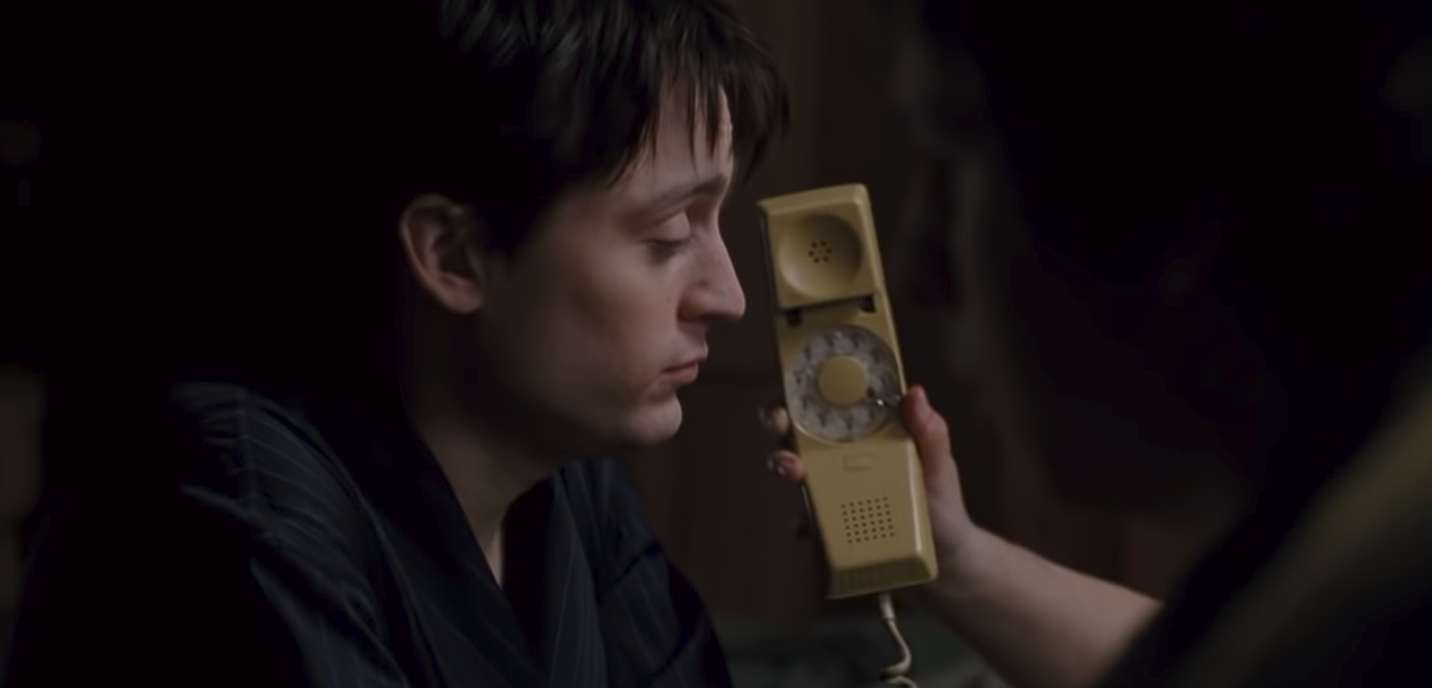

Characters or objects entering the frame in amusing ways.
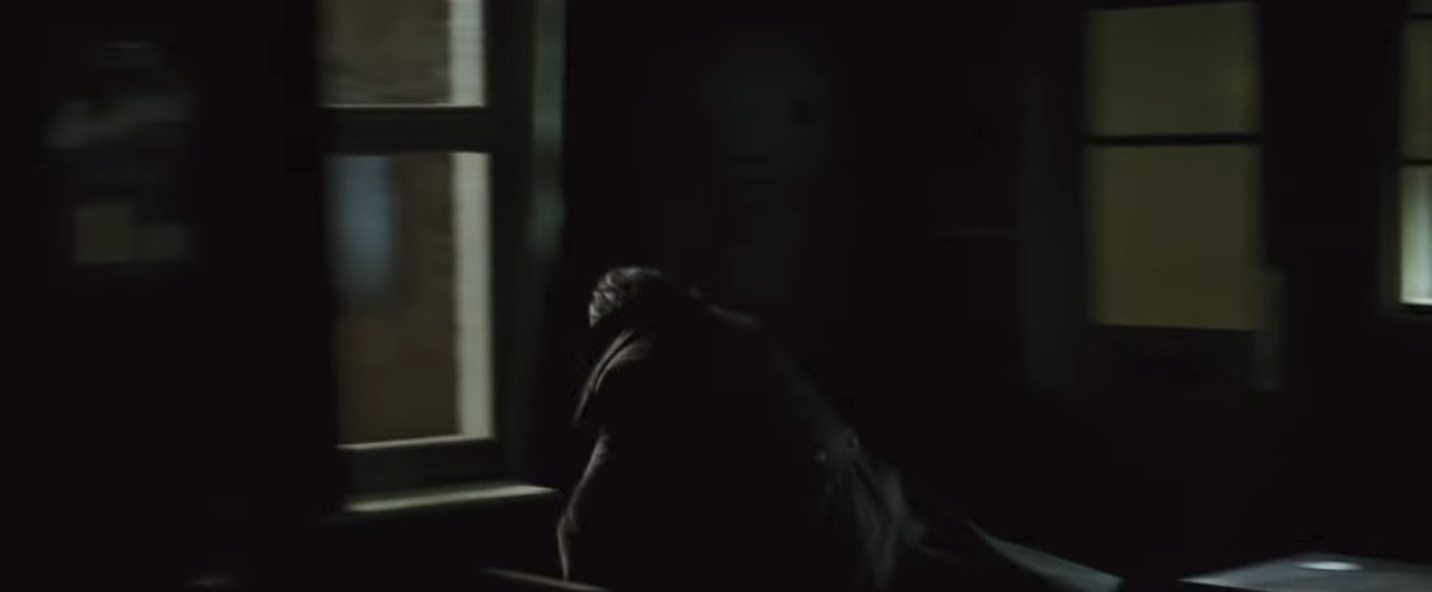
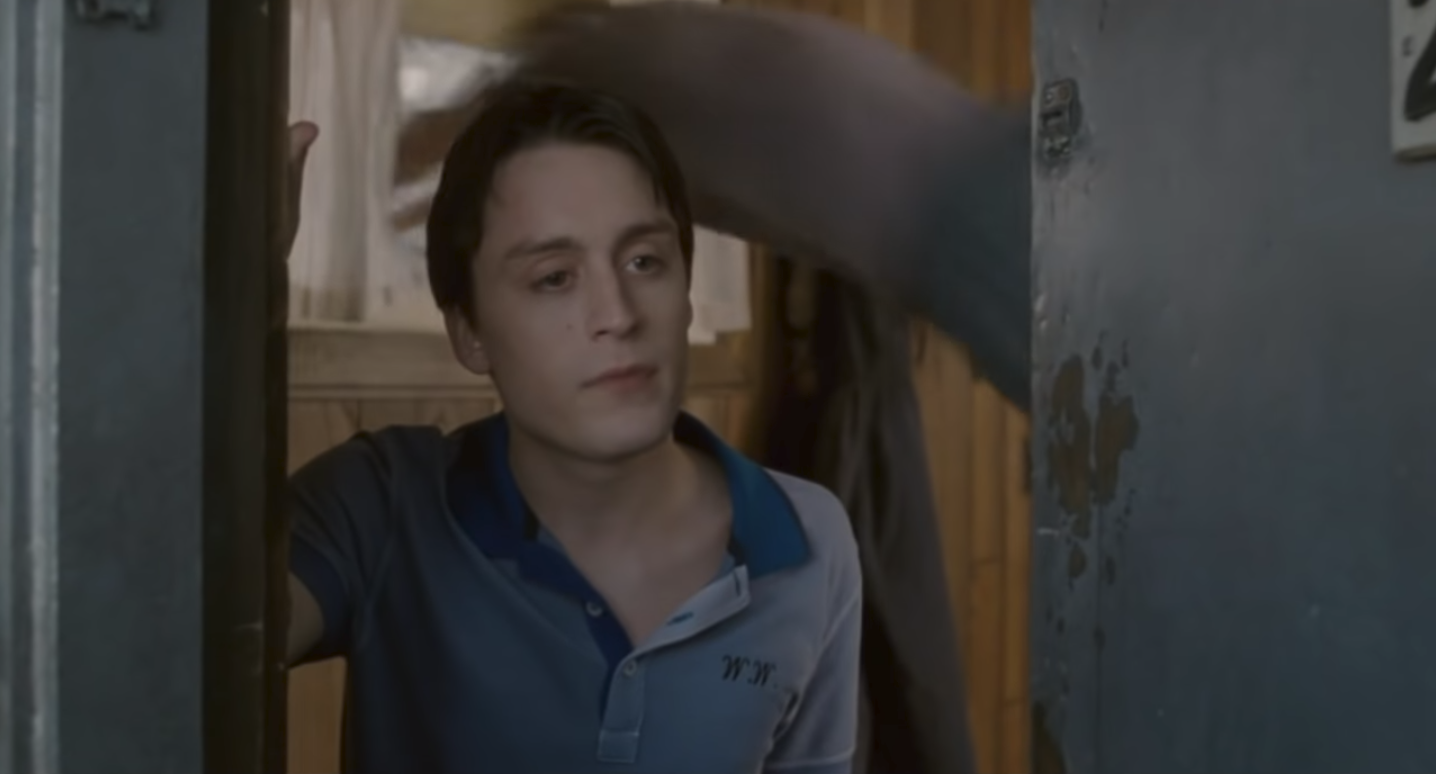
Characters LEAVING the frame in amusing ways.
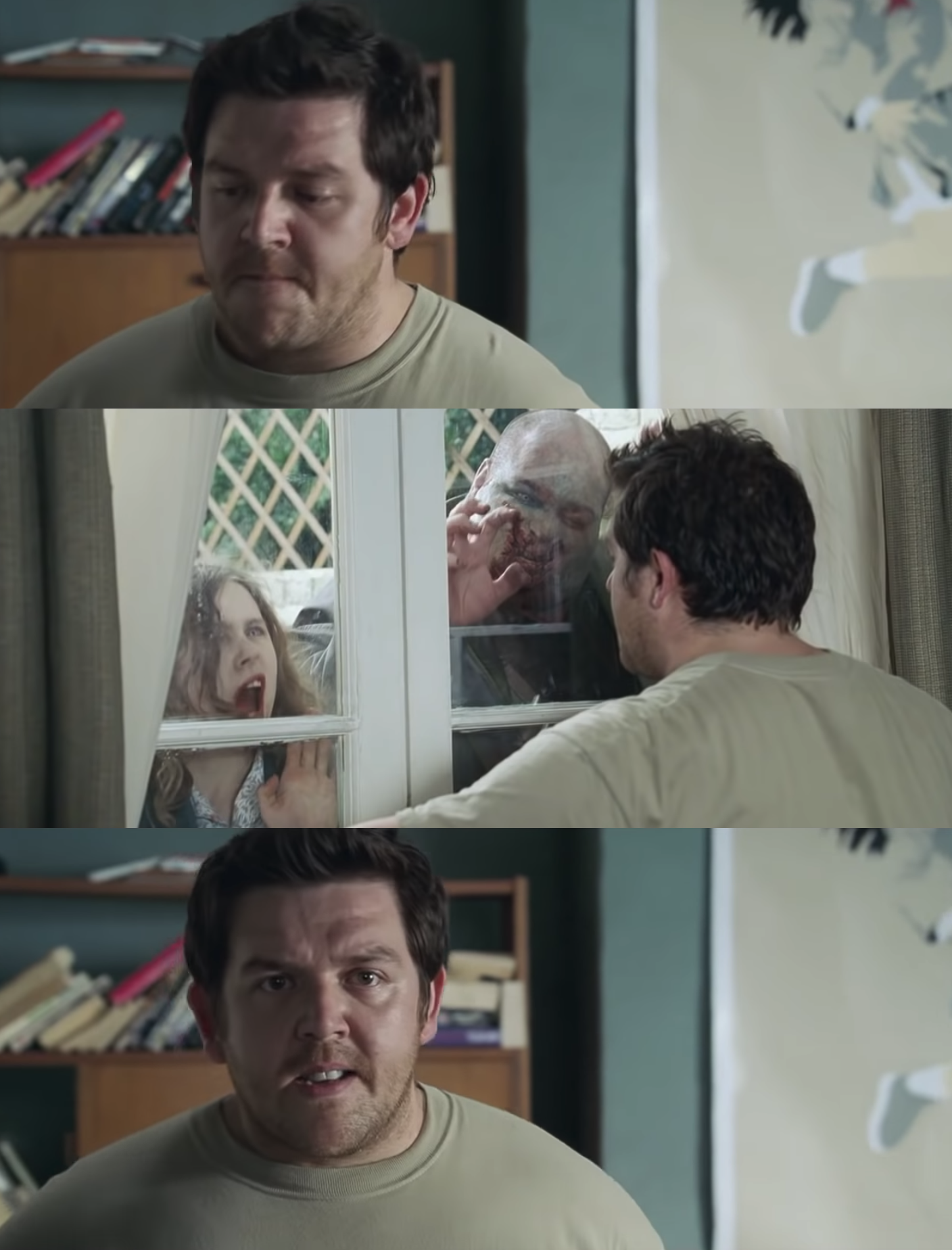
Or ‘there and back again’ humour.
Whilst all of these techniques are tried and tested ways to generate humour within film, I feel as though Edgar Wright presents it in a manner that’s truly unique and truly highlights his aptitude as a director.
The only problem with confining your comedy to a solely verbal medium is that you tend to miss a lot of opportunities for humour as the drive for it is entirely belonging to the improv of the actors involved. And whilst everybody has a different and completely unique sense of humour, it’s far easier to guarantee a positive response from your audience if you cover all bases and give the viewers some room to actually think over their reactions.
If a comedic response is entirely verbal, then our audience only has the time between the statement of the actor/actress and their understanding of the joke to think about what has just occured. if you provide a visual cue for the audience to react to, then they are able to process it throughout the duration of the scene and their reaction can be interpreted as far more organic.

 Ramblings of a Film Student