Like with a lot of particularly unique minded individuals, it’s always a mystery as to what goes on in the head of such creatives as del Toro. The extremely complex and unique nature of his world building and character creation makes a lot of people wonder just what’s going on inside his head.
However, when it comes to the monsters that he presents in his films, it’s very clear that his inspiration doesn’t come from the abstract. Despite their alien nature, the monsters in his films always have quirks or distinctive traits that make them undeniay human.
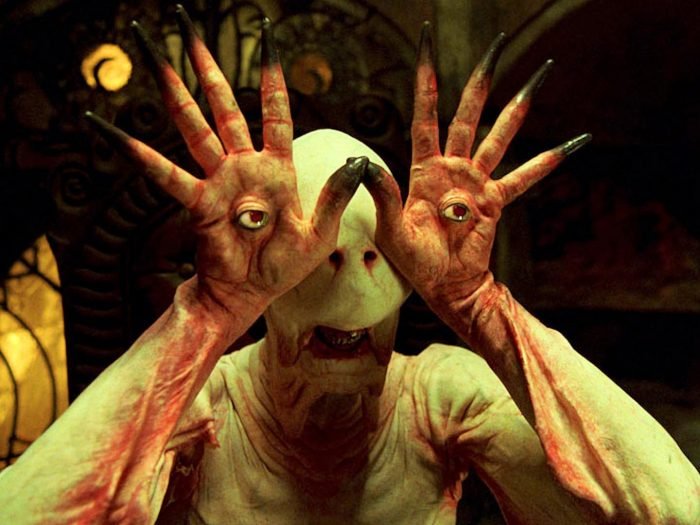
The Pale Man, from Pan’s Labyrinth. The symbolism with the eyes on his hands is our first starting point; he is only able to see that which is reaches for and seeks to possess. If our protagonist fails to abide by the rules and takes any of the bounty before her for herself, he becomes enraged and will threaten to kill her for it.
The creature is very distinctly a personification of greed and ambition; likely reflecting the protagonists father who relies on such traits to survive. The existence of the character at all is a criticism of humanity itself and yet the creature is undefeatable; perhaps as another warning that we as a species are unable to overcome our selfish desires.
However the representation of human traits are not only negative.
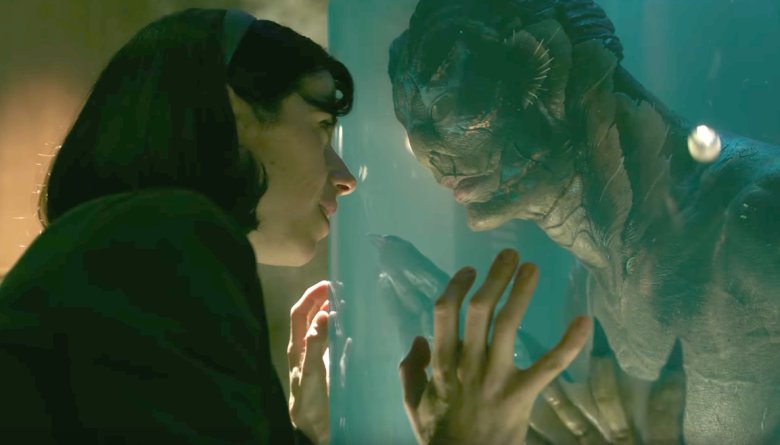
The Shape of Water
As well as in popular films such as Hellboy one of del Toros more recent films shows that even something monstrous is capable of love and emotion regardless of its nature.
The creature is chained up, experimented on, hurt by human captors for the entirety of the film. And yet it still finds softness within itself to fall in love with a human woman. The director himself stated that the character was intended to show the fluidity of love (hence, Shape of Water) and how even something seen as so taboo and otherworldly is still worthy of the affection that we bequeath to one another.
So I recently rewatched a favourite film of mine. The plot isn’t great, the characters aren’t particularly charismatic or relatable and to a lot of people it just seems like a poster child for gratuitous violence.
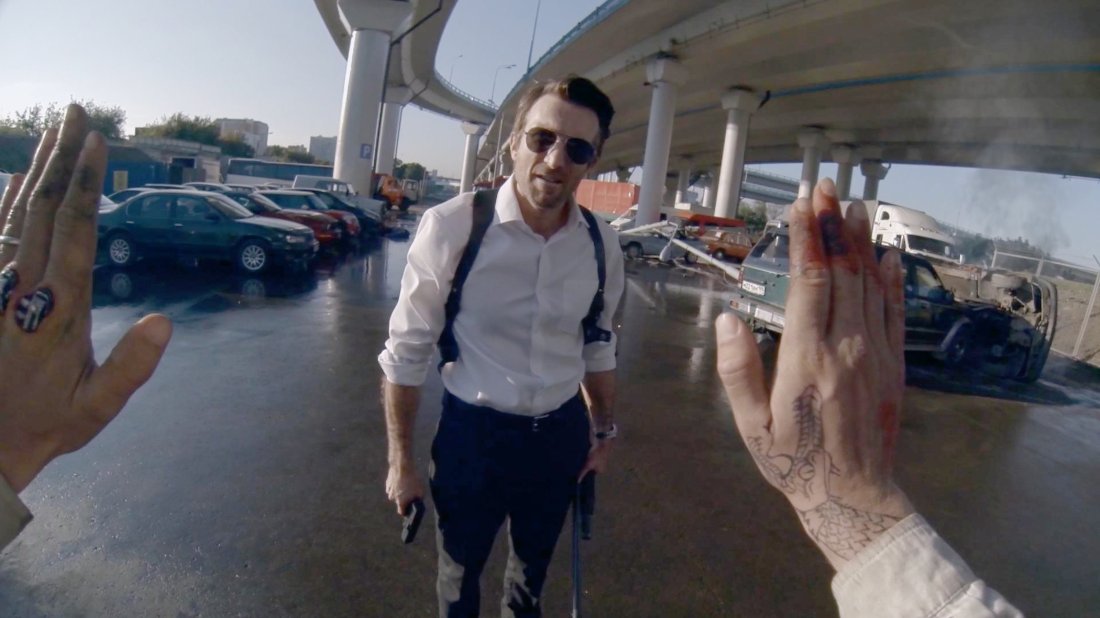
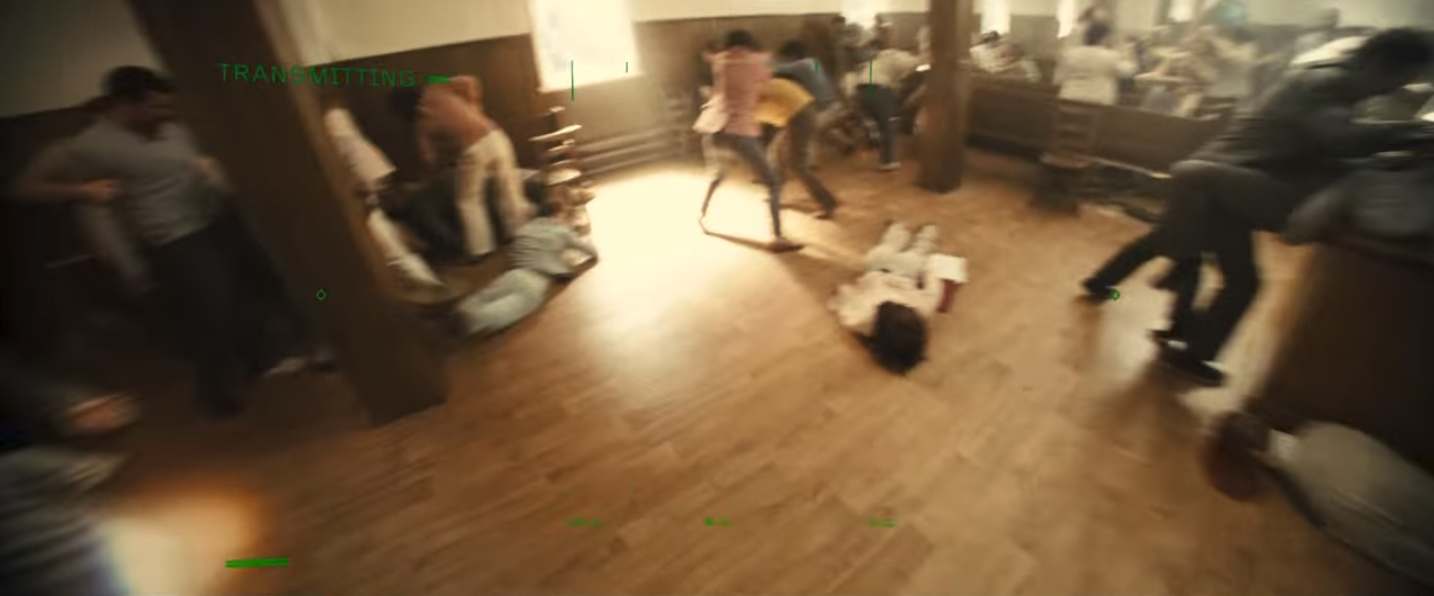
But that’s not the reason I enjoy Hardcore Henry so much. The whole film is complete unique in that it’s entirely shot from a first person perspective. And coupled with the outlandish violence and the dramatic movement within the film, it makes for either a very entertaining or very disorienting experience to watch.
The power of first person is the ability to place your audience directly into the viewpoint and shoes of the protagonist. Everything you see and everything they interact with is a completely new and organic experience; your hero sees things at the same time that we do, and they react to things at the same time we do.
Even in the most insane situations, such as parkouring down the face of a tall building, running across rooftops, getting into a ridiculous gunfight in an abandoned apartment building; all of those scenarios become a personal adventure the second we start seeing everything from the eyes of our hero.
The directors even built a complete unique rig for the task of making the first person seem realistic; rather than a camera placed on the head like one might expect, the head rig holds the device at mouth level so that on the screen we see everything roughly at eye level. It also allows the actor to effectively move around and interact with the environment without being in danger of injury to himself.
In terms of the film itself, we don’t even see the protagonists face until a brief moment very later on in the story. There’s even a viable reason in the plot as to why Henry doesn’t even have a voice to speak with; all of these in conjunction with each other provide a very interesting and personalised experience when watching the film.
I love a good superhero movie. Its a very cathartic experience to switch off and watch your classic good guy beat down the villain and everybody ends up happy and safe in the end.
But as time goes on I find myself enjoying the experience less and less and I become a lot more critical of the actions of the characters on screen and the choices that have been made by the director and I thought it would be interesting for me to try and analyse why.
A good proportion of the ‘drama’ and conflict within these movies comes from internal power struggles and arguments between protagonists. Whilst, yes, the big bad is always some outlandish villain or alien or other being that seeks to cause destruction to the world first and foremost, the characters often have to go to war with themselves before anything can actually get resolved.
This is where my problem is presented; a group of individuals that are supposed to be working to together but cannot seem to get around their own problems beforehand. The entire ordeal feels entirely fabricated. After everything that the protagonists go through in order to prepare for their final fight, it seems as though they’re never actually going to be friends at any point.
Conflict is, by nature, a very human thing, but when it comes to these films it feels as though by their very nature, it is destined to always happen in the most convoluted way imaginable. Maybe it’s just the pacifist inside me, but I feel that the heroes would be a lot more likeable and human if instead of fighting for the sake of the plot, they were actually able to grow and develop as friends.
At least from a personal level, I feel as though modern comedy films have lost a lot of their edge. Whilst everybody’s sense of humour is individual, granted, a lot of films that try to be funny nowadays aren’t very creative in the way they go about it. A lot of their efforts are primarily verbal and it feels a lot like the actors on screen are just being filmed performing improvisational comedy rather than reacting to actual jokes on screen.
Edgar Wright has always been one of my favourite directors and I wanted to highlight some of the ways in which he demonstrates a knowledge of visual humour rather than just relying on the talent (or lack thereof, you might be able to argue) of the actors on screen.
The scenario: you want to foreshadow an apocalyptic, world-ending scenario as the main plot of your film but you don’t want the characters to notice straight away. The easiest way to go about this is having them fail to notice something important on the television; a news report or something akin to it. The average filmmaker might simply introduce the concept for a few seconds on screen; long enough that we are able to realise what was going on but no real connection has been shown between that and the characters.
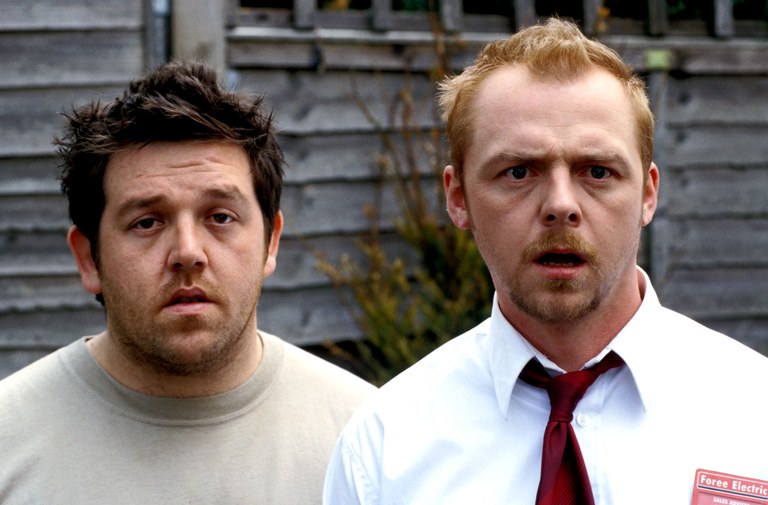
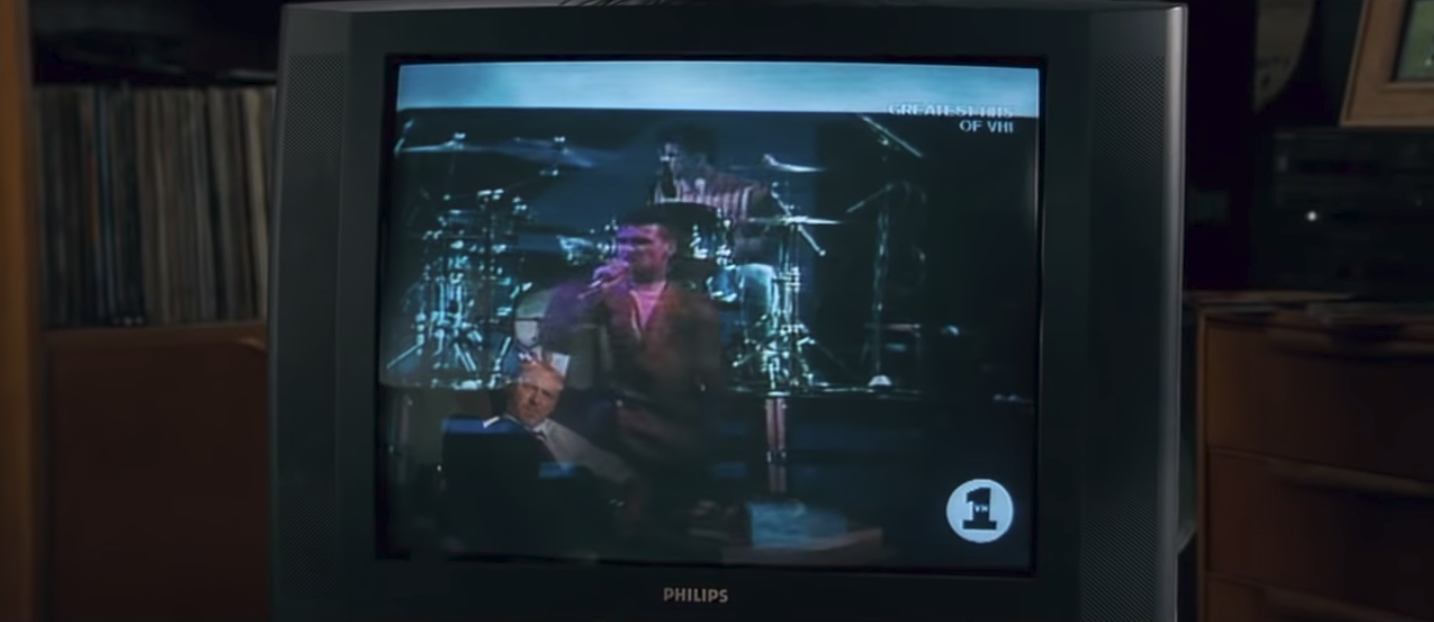
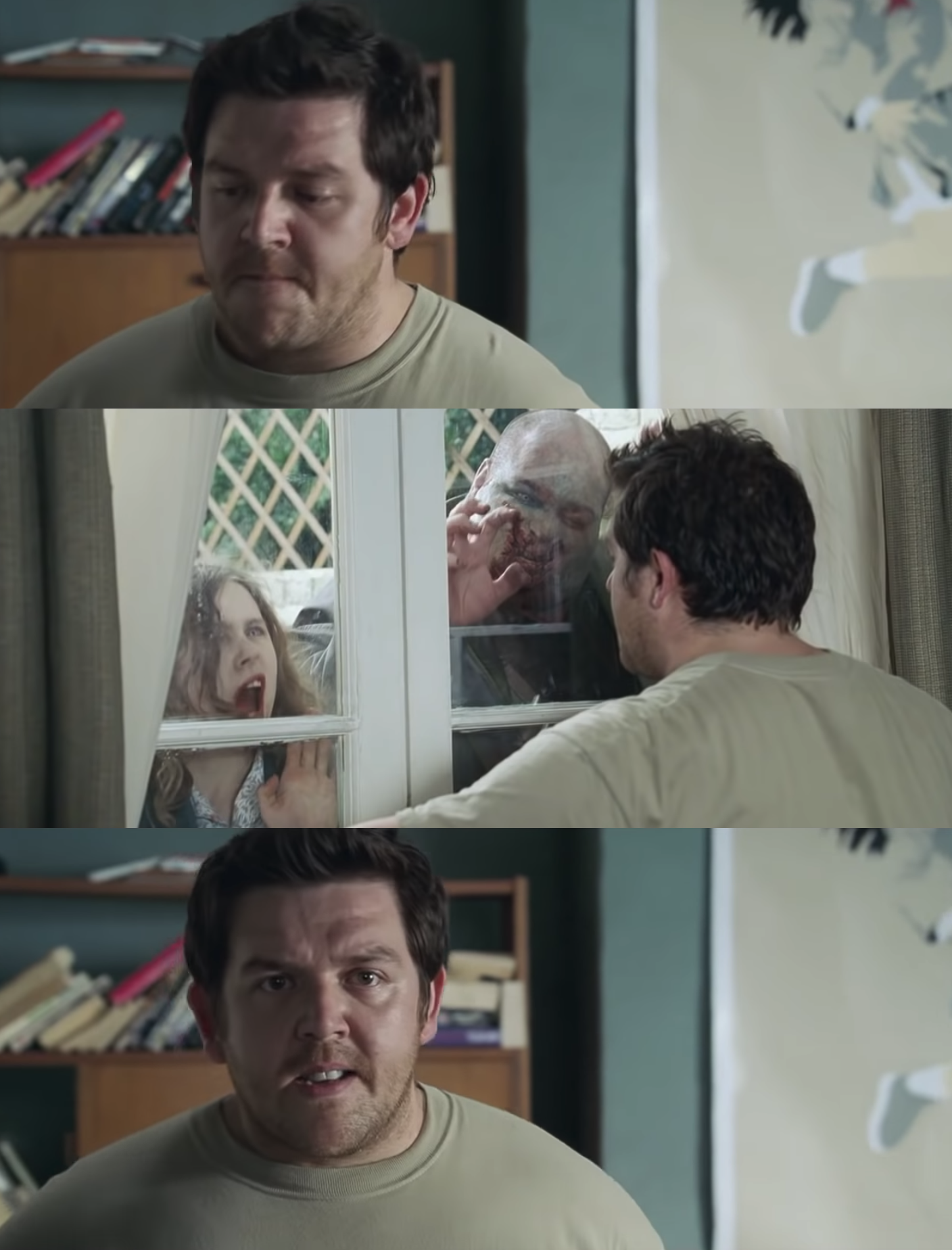
One of my favourite jokes in Shaun of the Dead is how we are introduced to the idea of the apocalypse; our protagonist is simply flicking through television channels trying to find something to watch, but the manner in which he does so reveals to both him and the audience the events that are going on around him.
‘Panic on the streets of London’
A very simple trick, but it’s both comedic and informative to the viewer so we progress the plot and receive a laugh from the goings on but our hands aren’t being held at the same time. It’s this ability to take what would normally be a very mundane scene and envision it in a completely new way. Wright also uses a lot of classic keystones for good visual comedy in his media that simply use staging to derive comedy.
Some of my personal favourites include:
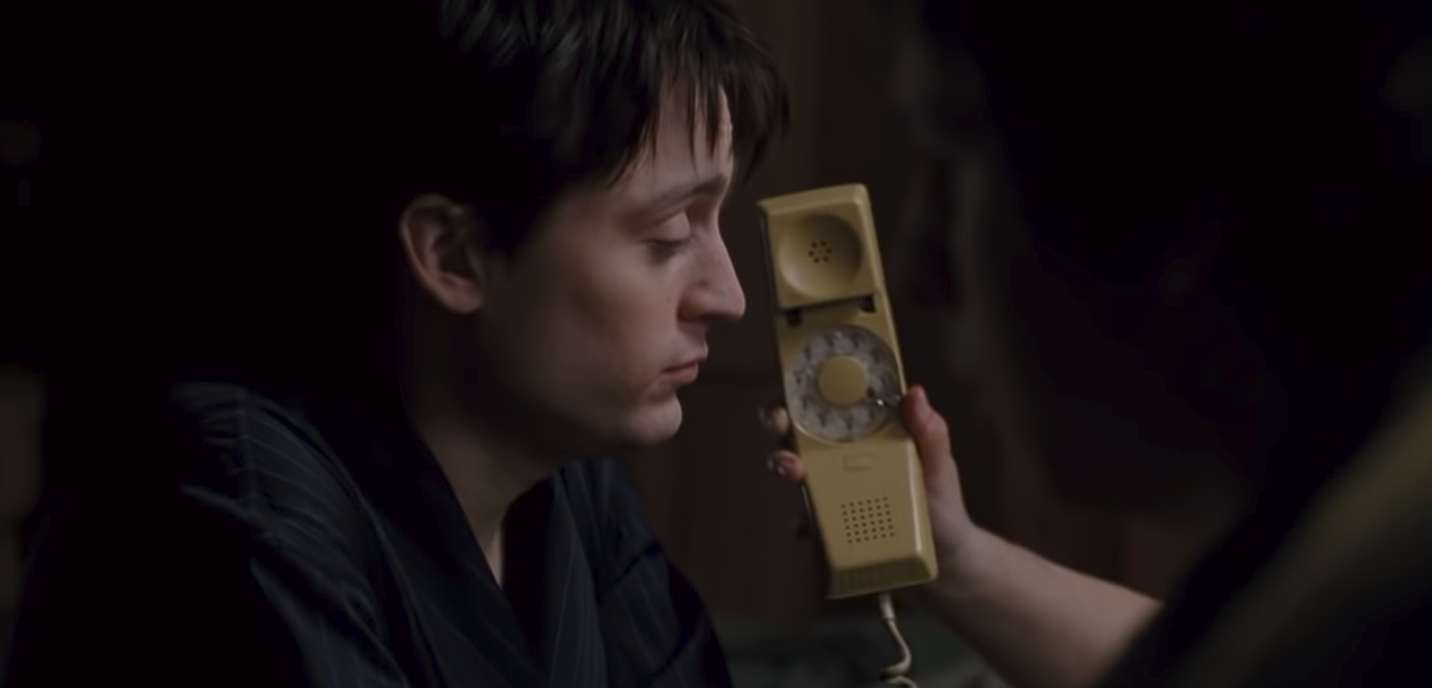
Characters or objects entering the frame in amusing ways.
“You know what; he just left.”
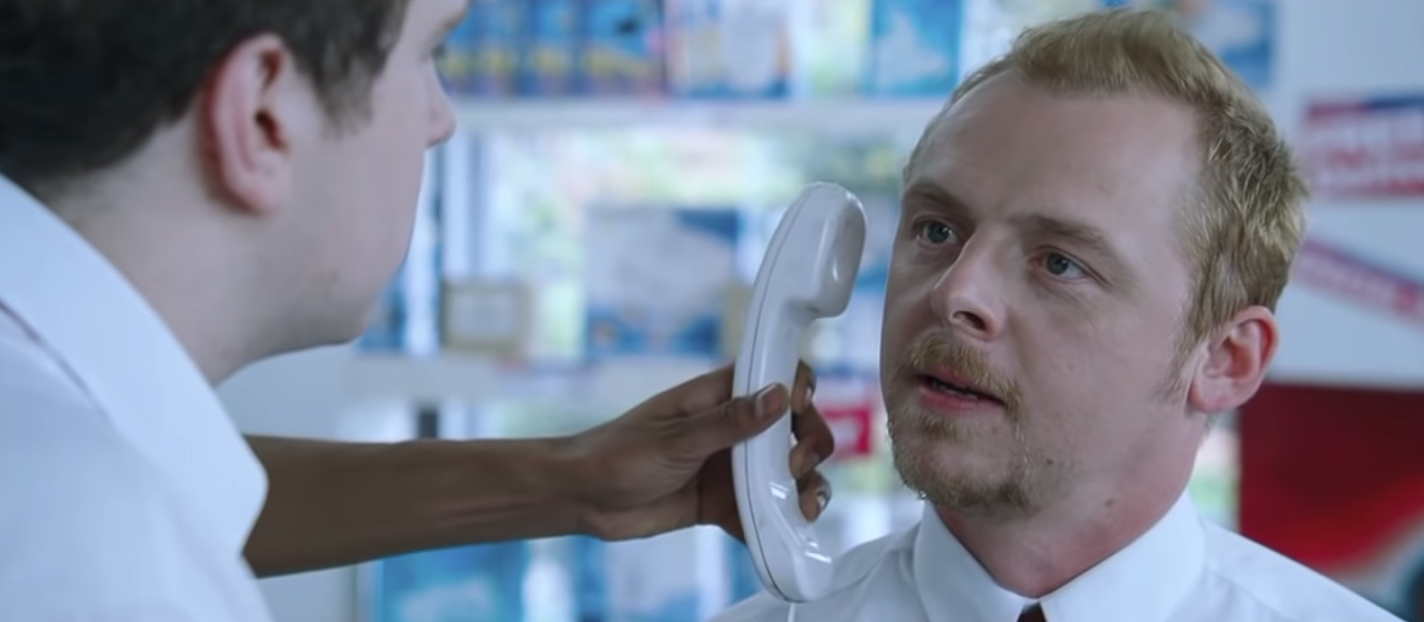
Characters LEAVING the frame in amusing ways.
“Are they still outside?”
Or ‘there and back again’ humour.
Whilst all of these techniques are tried and tested ways to generate humour within film, I feel as though Edgar Wright presents it in a manner that’s truly unique and truly highlights his aptitude as a director.
The only problem with confining your comedy to a solely verbal medium is that you tend to miss a lot of opportunities for humour as the drive for it is entirely belonging to the improv of the actors involved. And whilst everybody has a different and completely unique sense of humour, it’s far easier to guarantee a positive response from your audience if you cover all bases and give the viewers some room to actually think over their reactions.
If a comedic response is entirely verbal, then our audience only has the time between the statement of the actor/actress and their understanding of the joke to think about what has just occured. if you provide a visual cue for the audience to react to, then they are able to process it throughout the duration of the scene and their reaction can be interpreted as far more organic.
I went back through my film library on Amazon the other day and found myself watching through the Star Wars films again. Maybe it’s just because of my new film-student mindset but I found myself paying a lot closer attention to the colours and lighting within the prequel movies this time around and I thought it would make for something interesting on this blog.
Obviously Star Wars as a whole has always had the whole dichotomy between light and dark; it’s a very integral part of the plot and it drives a lot of the storyline forward when characters come into conflict with it and (regardless of what your opinion may be on the movies as a whole) the prequels actually do a very nice job of displaying this struggle using colour on the screen as well as lighting cues.
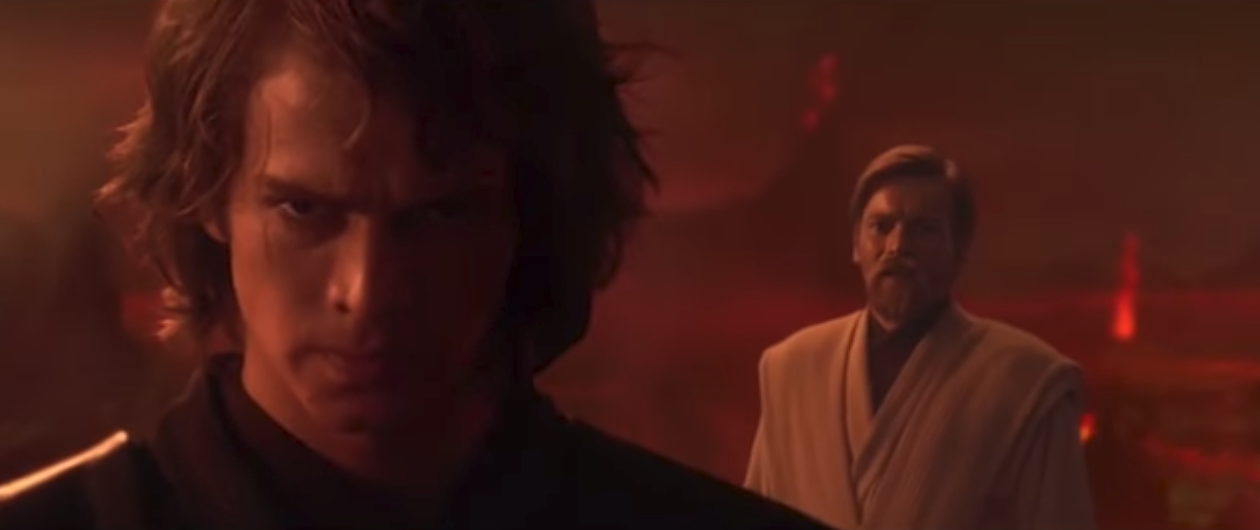
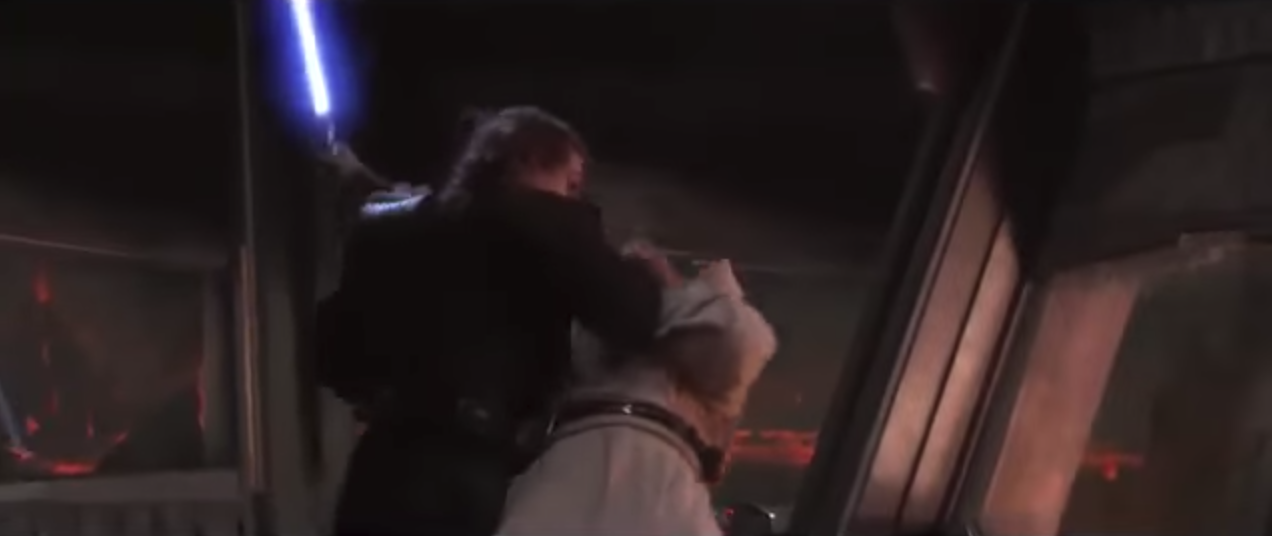
This initial shot of Anakin and Obi-Wan utilises lighting and costume colour to signify the difference between the two characters rather dramatically. Anakin is cast in black and the shadows across his face are far more dramatic than those of his mentor, which immediately connotes his fall into the Dark side.
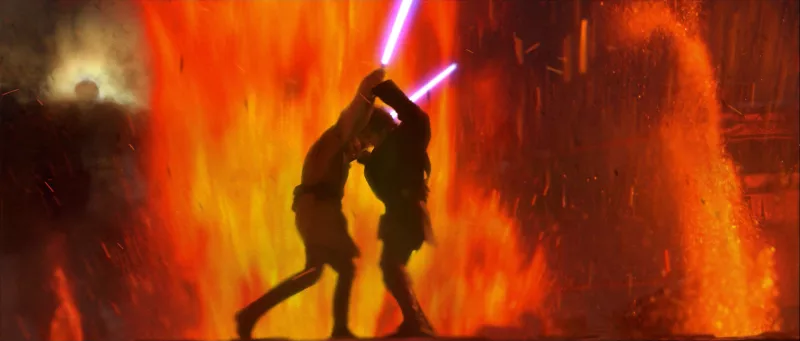
Even as the two characters are fighting, the colour tones and lighting always seem to shift in favour of whoever has the upper hand. In this shot, where Anakin appears to be on top, the entire scene is tinted slightly red; red has been the calling card colour for the Dark side ever since the first movie and connotes a sense of danger as well as this.
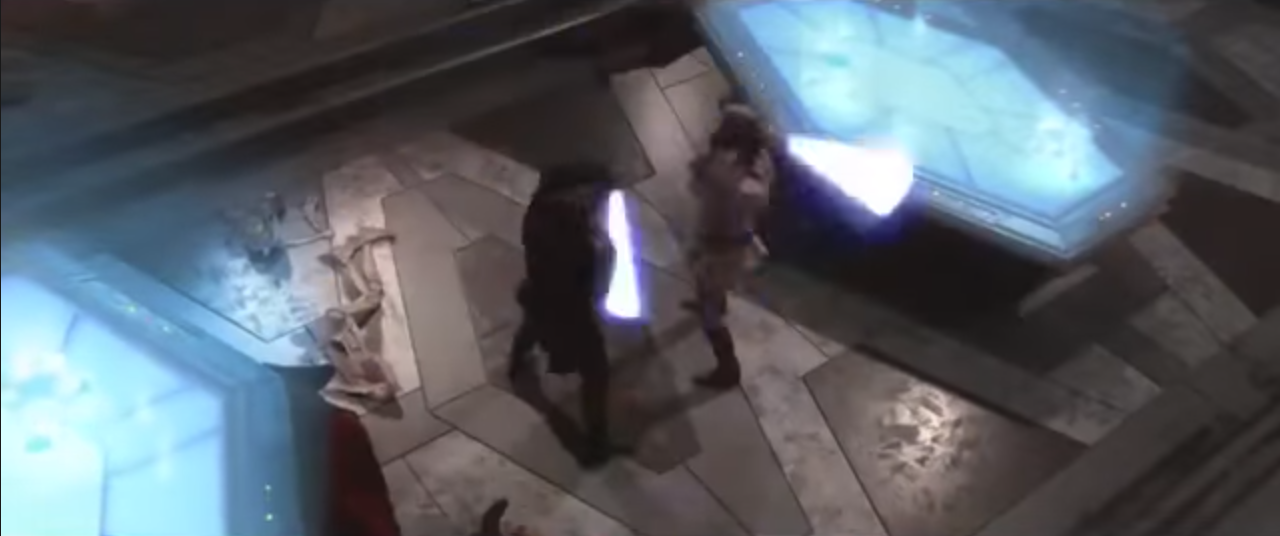
When Obi-Wan begins to gain the upper hand, the colour pallette switches entirely to blue; a colour which both represents the side of Light and connotes a more positive tone in comparison to before. Though despite this, there is still red flashing lights at the edge of the frame (unseen in this particular screenshot) so despite the fact that our good character is obviously winning, we are never removed from the sense of urgency and danger.
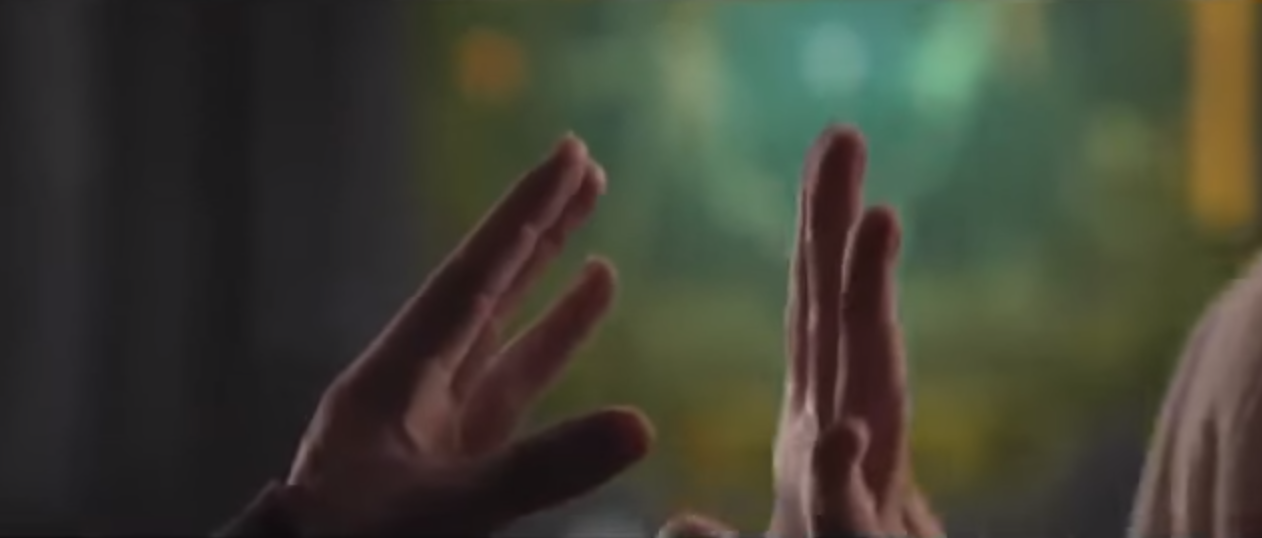
Even when fairly evenly matched, there are very subtle lighting differences that fit with the characters and their views; notice how in this screenshot, Obi-Wan’s hand is surrounded in significantly more light in comparison to Anakin’s. I feel like whilst the whole “light side and dark side” factor of Star Wars is aesthetically a little bit on the nose, the lighting and colour choices within the frame compliment the choice of costume and attitude well to illustrate a point.
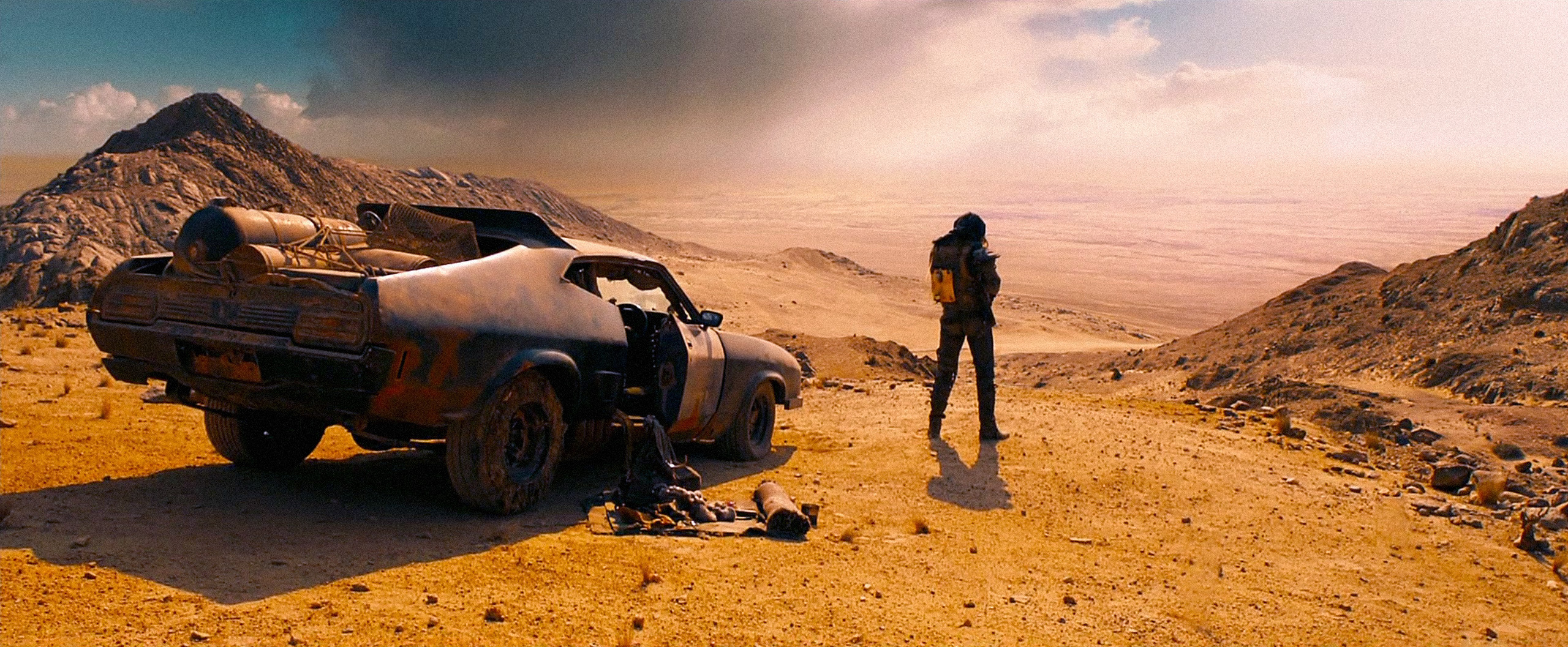
Mad Max: Fury Road is definitely in my top 10 of movies that I’ve watched so far. I’ve always been a sucker for post-apocalyptic worlds and crazy, over the top set design. But when it comes to this movie I wanted to focus on one thing in particular; the cars that are presented in the movie.
Now I have never been a motorhead in any sense of the word; I feel like if I ever had to catch an Uber at any point in my life I would sooner die than have to identify whatever car was coming to pick me up. But whilst watching this movie, i fell in love with the completely outlandish and chaotic designs of the vehicles that provide the essential mode of transportation for our protagonists throughout the course of the film. Having never watched a Mad Max film until this one, I did a little bit of research and found out just how important the cars are to the franchise as a whole and not just within the most modern version of it.
Given that our story takes place in a post apocalyptic wasteland where resources are almost nonexistent (a highly important plot point is the way limited water supplies are hoarded and regulated by a megalomaniac villain in power) the existence of something as coveted as a functioning car is an immediate symbol of authority and power in this hellscape. This is even more true when observing the cars that belong to our main antagonist, Immortan Joe. Not only is his main vehicle one of the most imposing within the film, it’s made as a fusion of two cars rather than just the one. It’s almost as if the very design of his car is a brag to whomever he might encounter that he is powerful enough to own something so desired and valuable.
I was even more impressed to find, after more digging, that everything that is seen within the film (with the exception of large scale destructive forces such as the huge sandstorm they drive through to escape their pursuers) is all practical effects; even going as far as to create an actual flamethrowing guitar solely for this film. The mechanics and proper designers spent months working on the concepts that George Miller presented them with, eventually coming up with all of the chaos that we see in the film today.
A lot of how effective a fight scene can be stems from the characters fighting. If we are presented with a seasoned fighter, we would expect them to have total control over the situation and that the editing and the choreography of the scene would match our assumptions about said character. (see films such as John Wick for example) A civilian thrown into the middle of combat without any prior experience, however, would be expected to feel disoriented and confused at the goings on. As a result, our perception of the fight and the cinematography associated with it will be different than if we were dealing with an experienced combatant.
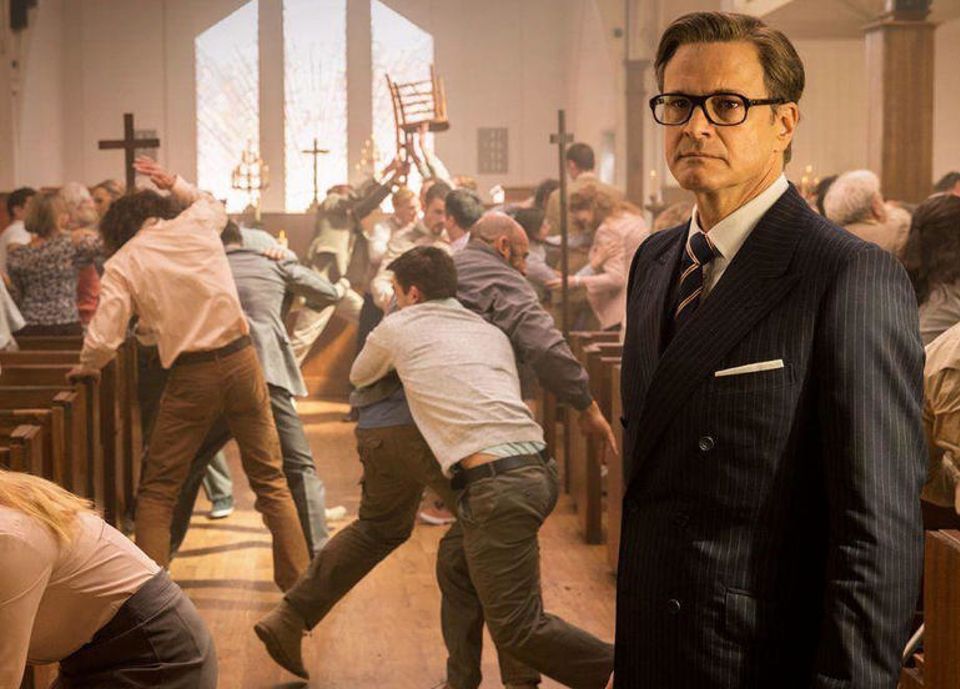
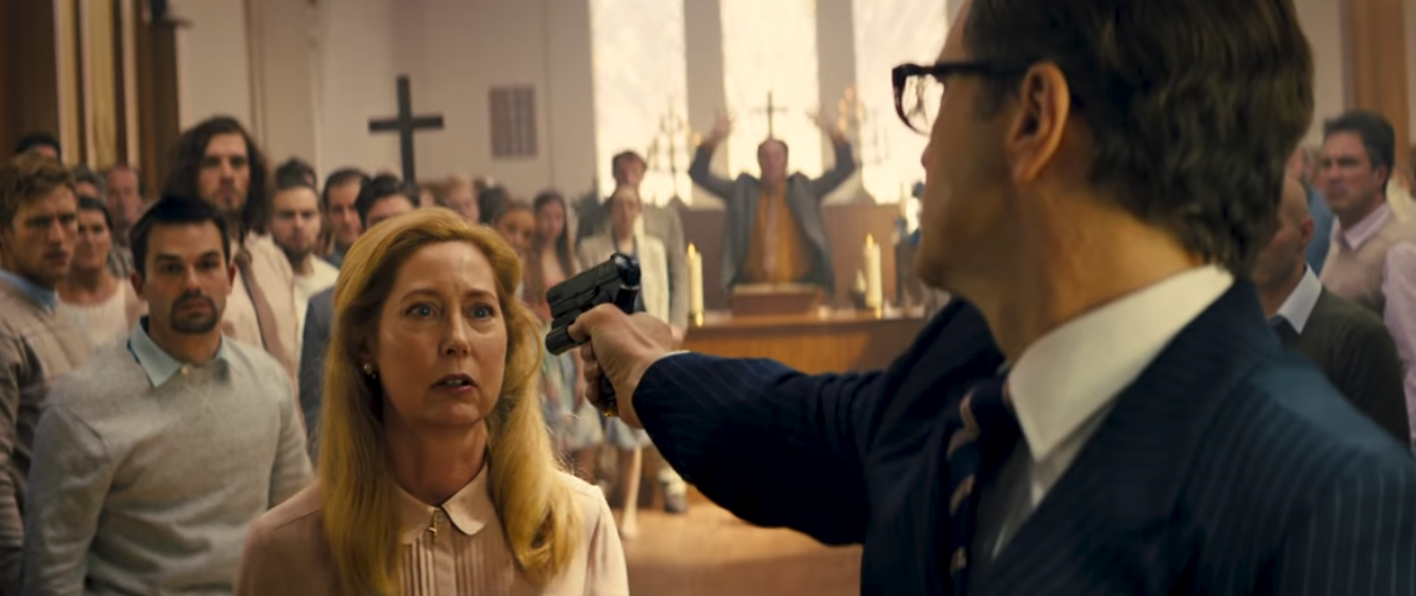
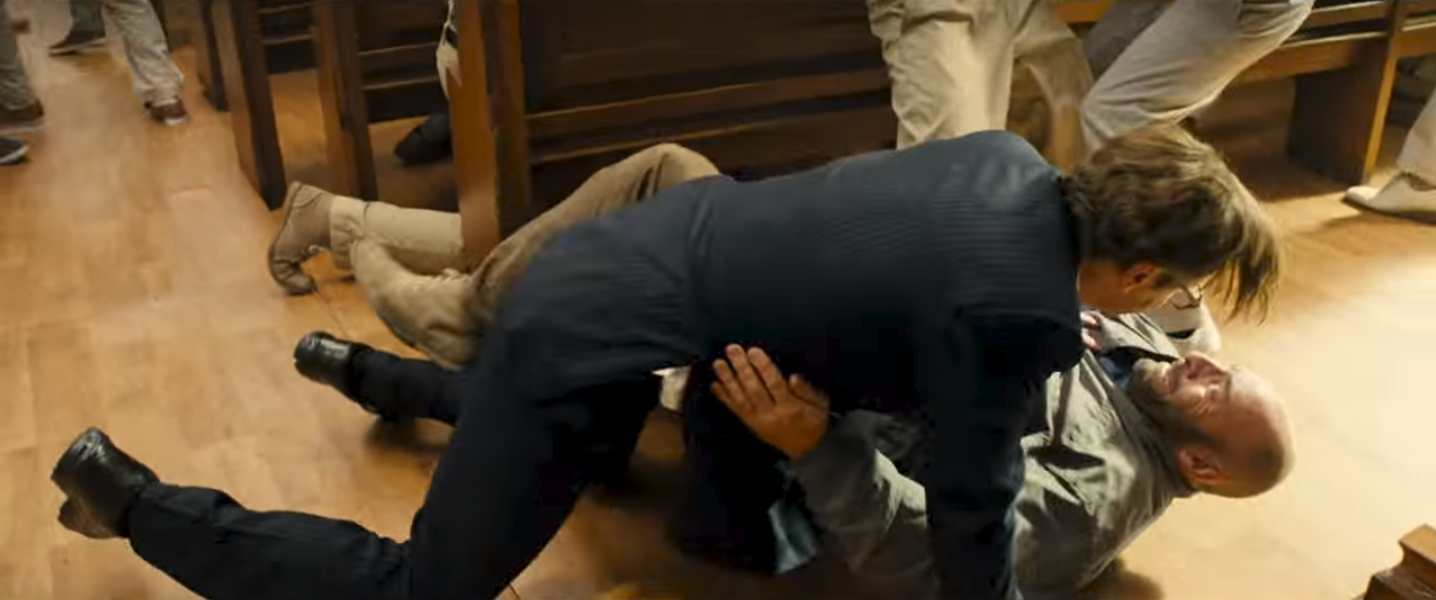
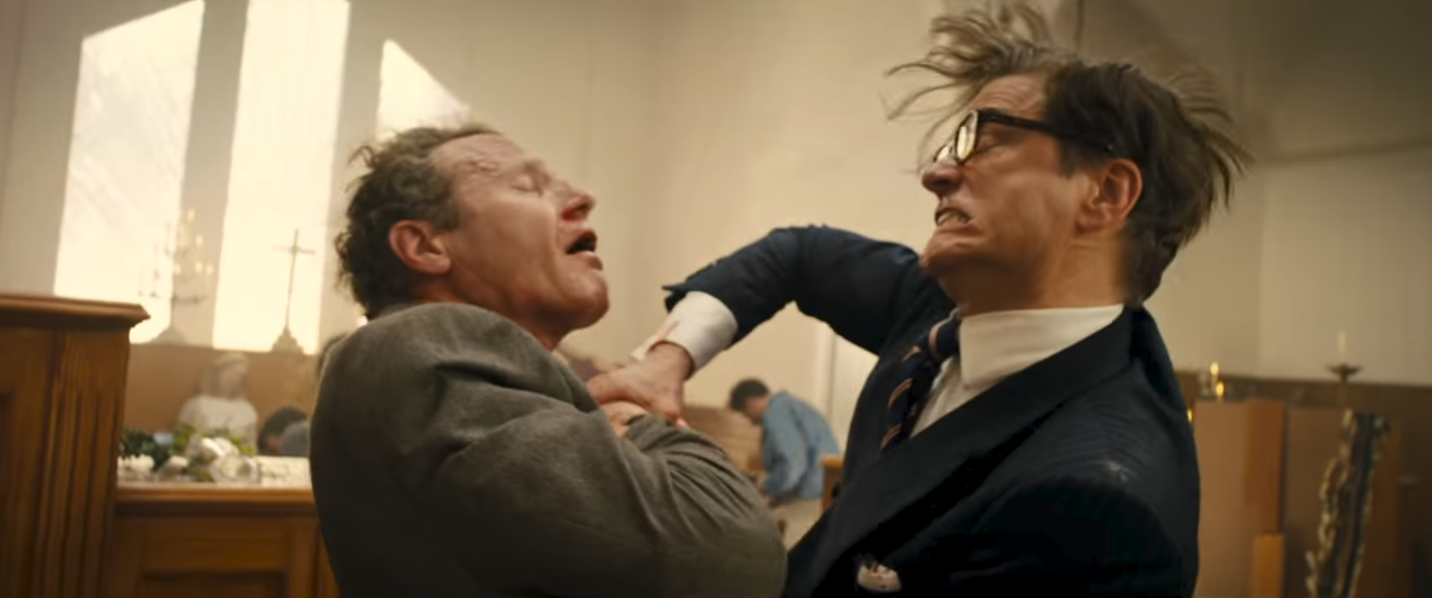
For the purpose of this post I’m using the church fight scene from Kingsman: The Secret Service as my example.
One of the primary stand-out factors that make this scene so iconic is the soundtrack; Lynyrd Skynyrd’s Free Bird. The impact of music is often underestimated during combat sequences and in a lot of cases, it can make or break the entire moment. The choice of song for this particular scene is effective in the way it rises and falls along with the action. The song initially begins as a sort of ballad, luring the listener into a false sense of calm before the pace finally kicks in and coincides with the first shot fired.
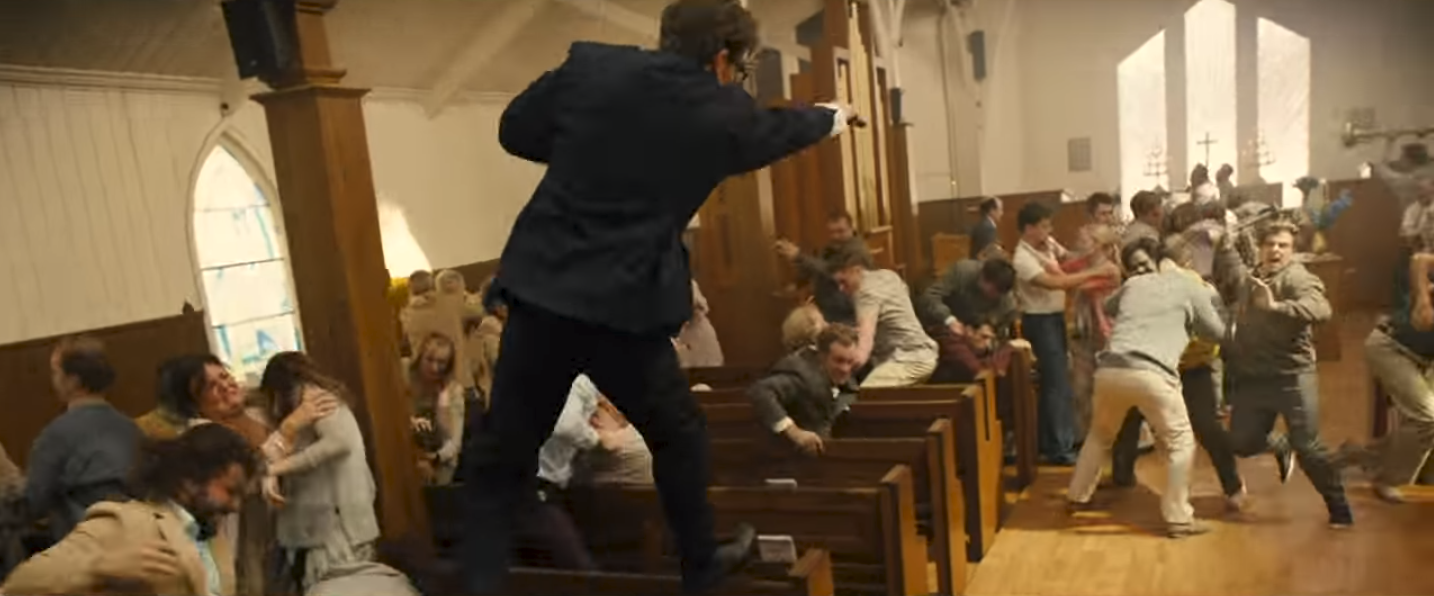
The beauty of this scene is that it utilises both the quick cut, close up action that constricts the view of the audience and the wide and long continuous shots that allow us to witness everything that’s going on around the character. The camera also follows our hero throughout the entire scene, making us feel as though we’re there and involved ourselves. For example when Harry is climbing and jumping from the church pews, the camera jumps and drops alongside him as if to put us in his shoes and make us feel as awesome as this scene intends us to feel.
The camera rises……and falls alongside the character.
Even when we cut away from the fight to witness the reactions of Merlin and Eggsy, the feed that they are watching is a direct eye-view from Harry’s perspective that further reinforces the director’s attempt to place us right in the middle of the action.
Cutting between close and wide shots means that we as the audience aren’t disoriented whilst watching everything go down, but we are also gaining an organic response to whatever threat is thrown toward the character next. We become aware of a weapon or an enemy at the same time that Harry does and it allows us to further immerse ourselves within the experience without actually being there.
The movie does an excellent job of choreographing the action so that we as the viewers have a grasp of what is going on at any one time, without losing the sense of chaos that comes from being in the centre of a fight, and coupled with the music and the dynamic way in which the cinematography was chosen it provides a very entertaining fight scene that has definitely gone down as being something truly iconic.
I was particularly excited to write something about this show as I’ve been anticipating it ever since it was announced that it was to be released on Netflix. As a big fan of DC I was looking forward to seeing how Titans portrayed a particularly pivotal point in the life of one of my favourite fictional characters; Dick Grayson AKA Robin/Nightwing. Safe to say, the sidekick’s introduction was presented in a way that made me extremely satisfied with how the show’s producers were handling a darker take on a relatively jovial part of the comic series.
Initially, we are presented with a very clear motive for the character; he has located the criminals that he has been hunting for some time now and it’s time to finally bring them in. But rather than taking immediate action, the character hesitates. This pause presents a question to the audience; with all of this work and research done and the target within his sights, why is the character hesitating?
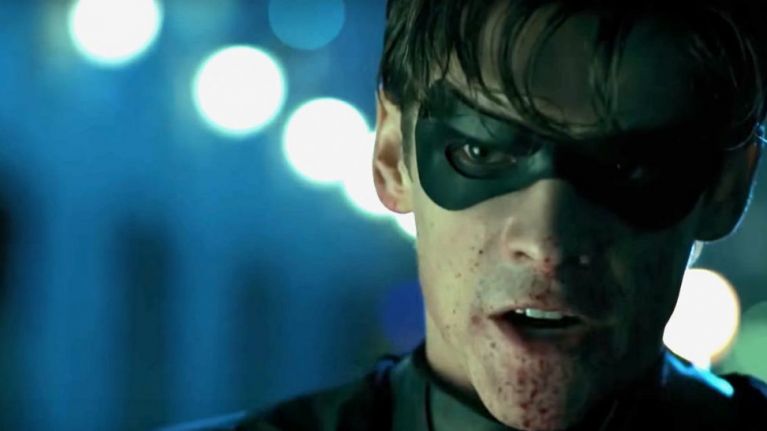
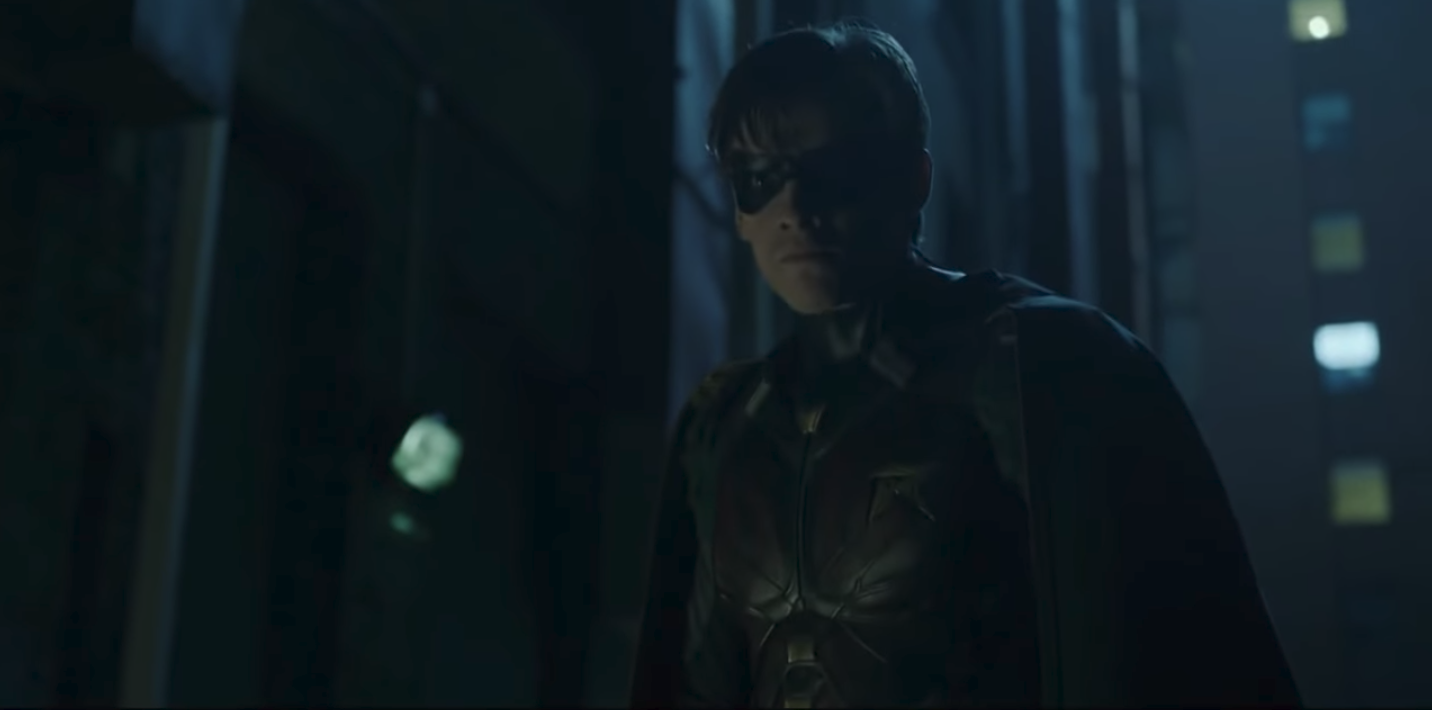
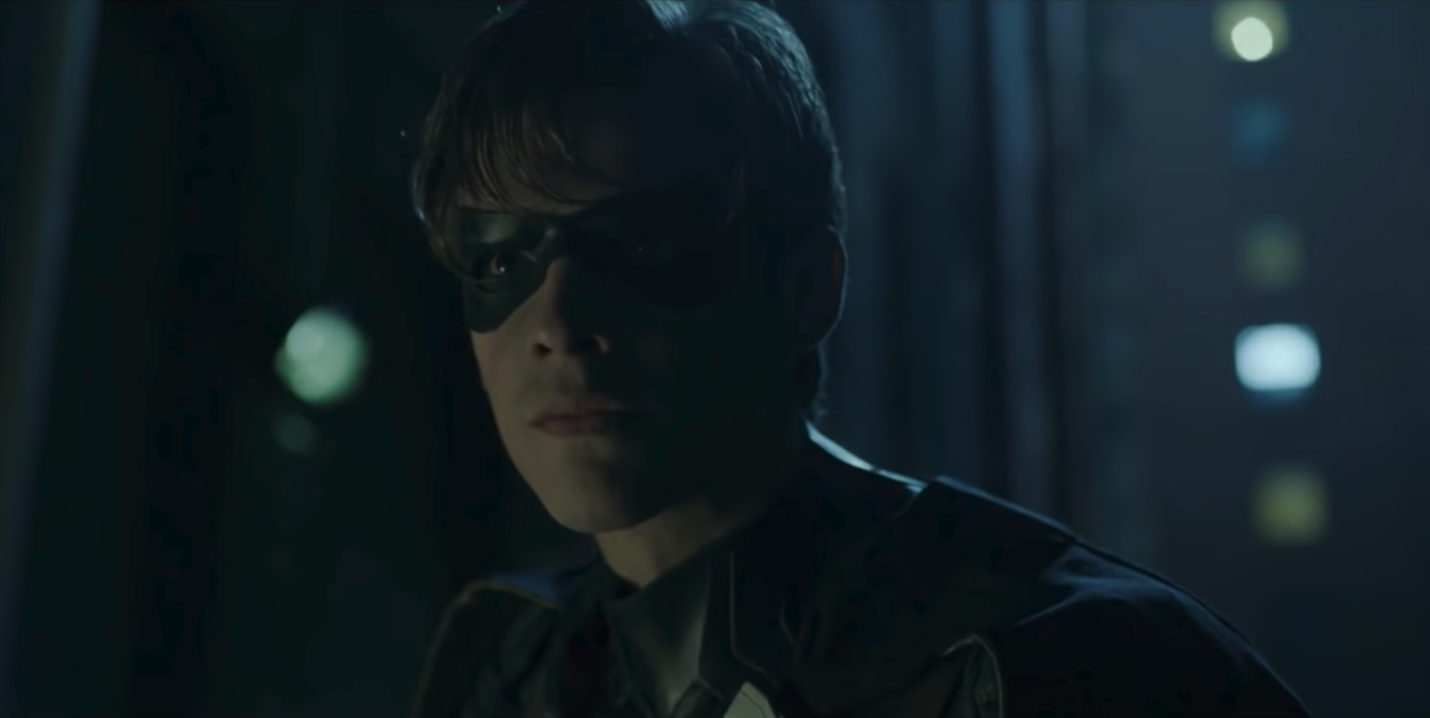
When the character first appears in costume, the camera is from a slightly lower angle and makes the character look taller and more intimidating. He has been placed on a pedestal and it immediately gives him a sense of power and authority over the criminals that were introduced prior in the scene. This is the classic presentation of a hero or protagonist character and it is immediately obvious who the audience should be supporting.
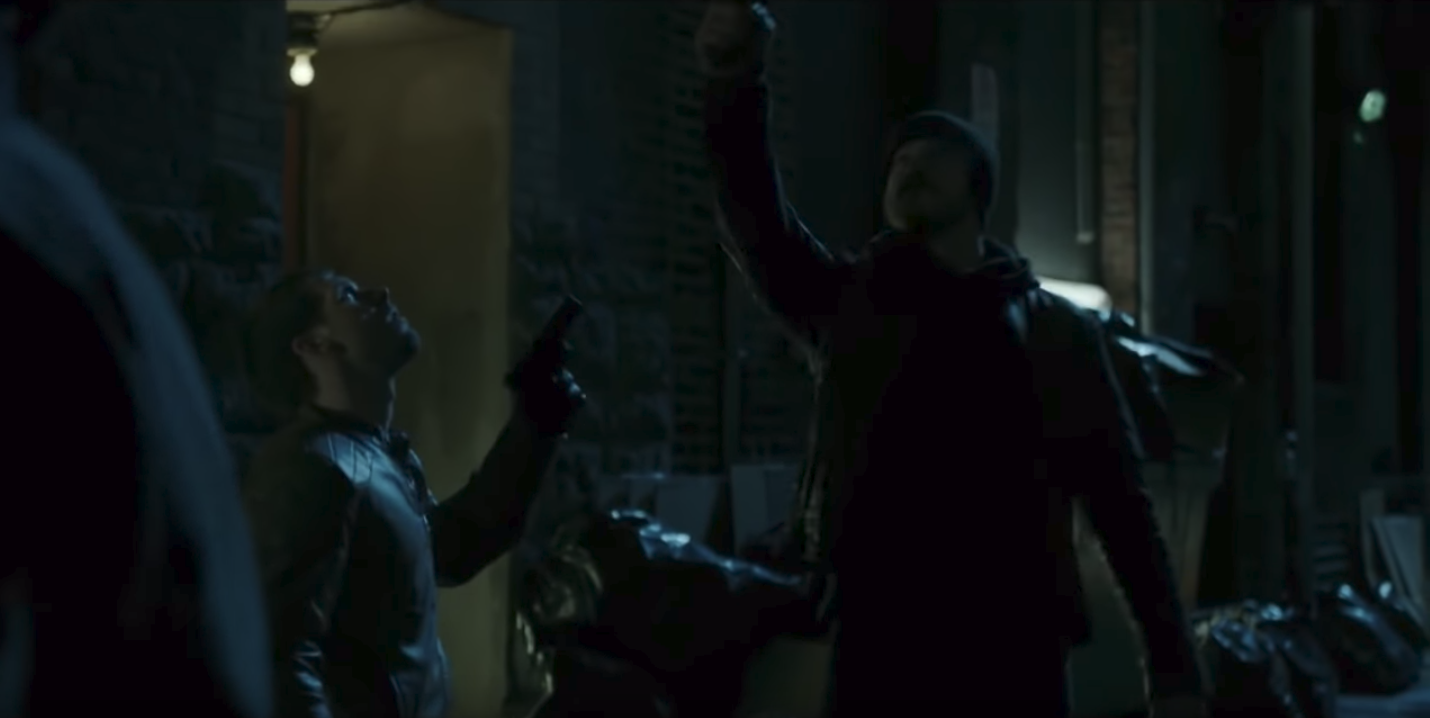
“Where’s Batman?!”
However, this authority is immediately undermined in the next shot where the antagonists pay him little to no regard and instead choose to look around for the mentor he has attempted to remove himself from instead. Having been stripped of the power he held when introduced, the audience now has an underdog character to root for rather than a regular hero.
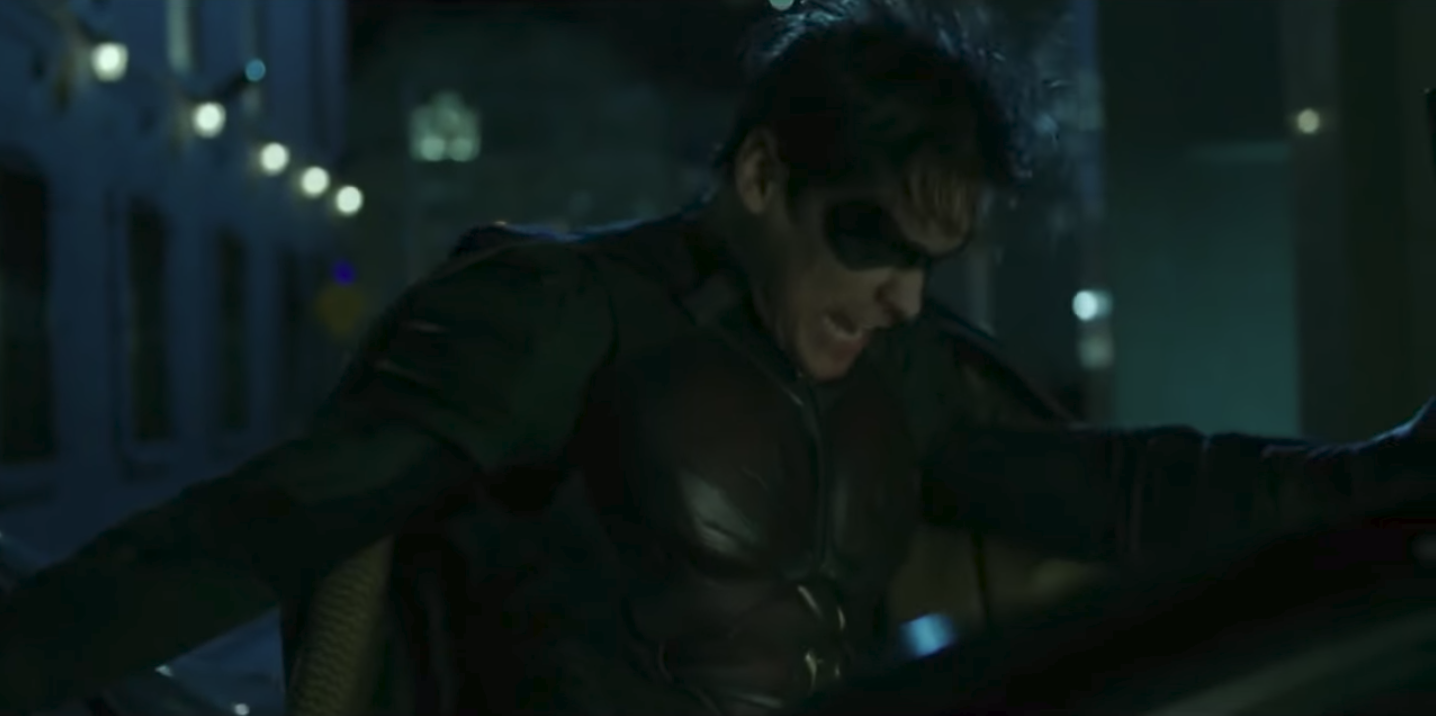
As the fight progresses, we begin to notice more and more the reason for the character’s previous hesitation. The sound effects become more distant and faded and everything falls into slow motion as Robin begins to beat the man into the floor even after it’s clear he’s already been defeated. It’s in this moment that the presented question from the beginning is answered; the character hesitated in taking action because he has a problem with controlling his violence.
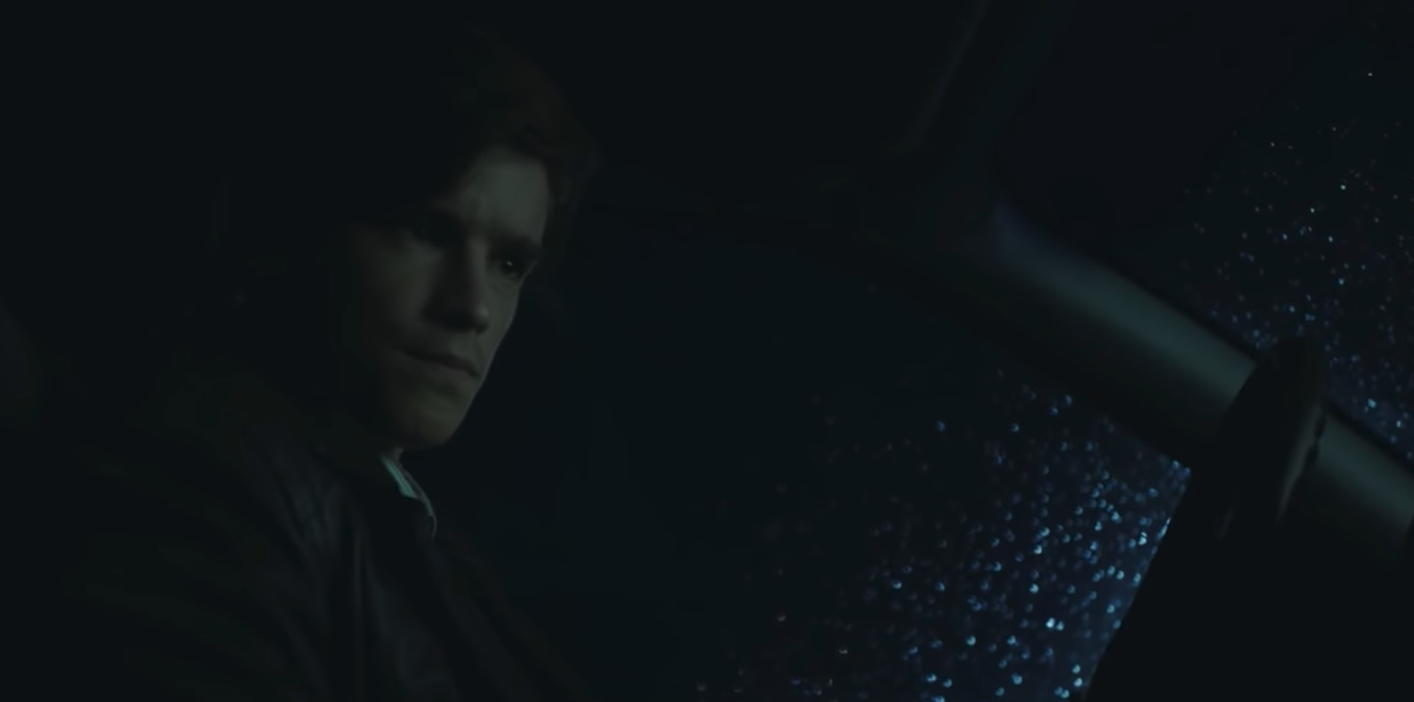
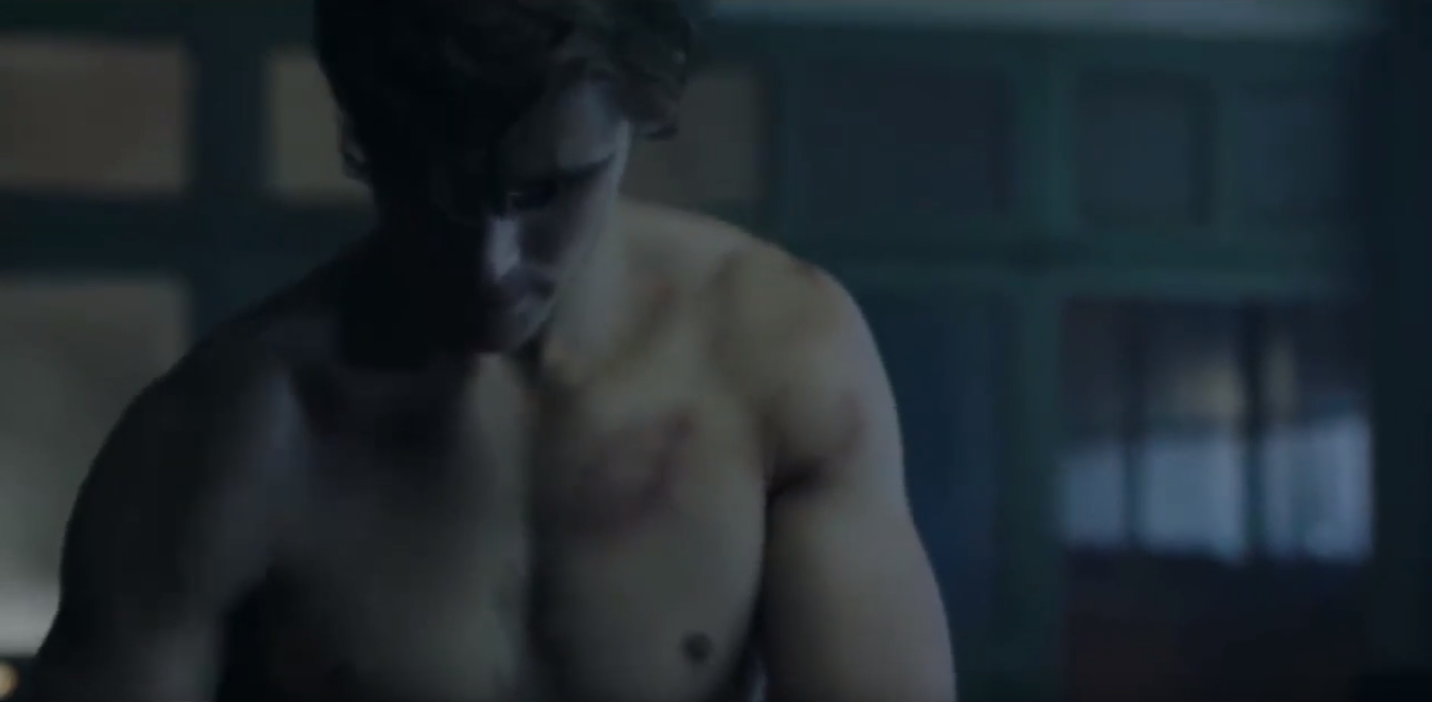
Following the fight, we see the aftermath; Robin cleaning his tools whilst listening to music. Without his suit, we can see that the fight left him bruised and battered despite coming out victorious. This shows that despite being depicted as the ‘hero’ figure, the character is still human; he’s not an immortal figure.
Even the choice of song, “Alone” by Monogrenade, tells us a lot about his character; at least within the context of this scene, he considers himself an independent outcast. He no longer has his mentor alongside him and everything he does is very much by himself, establishing him as a ‘lone wolf’ type from the get-go.
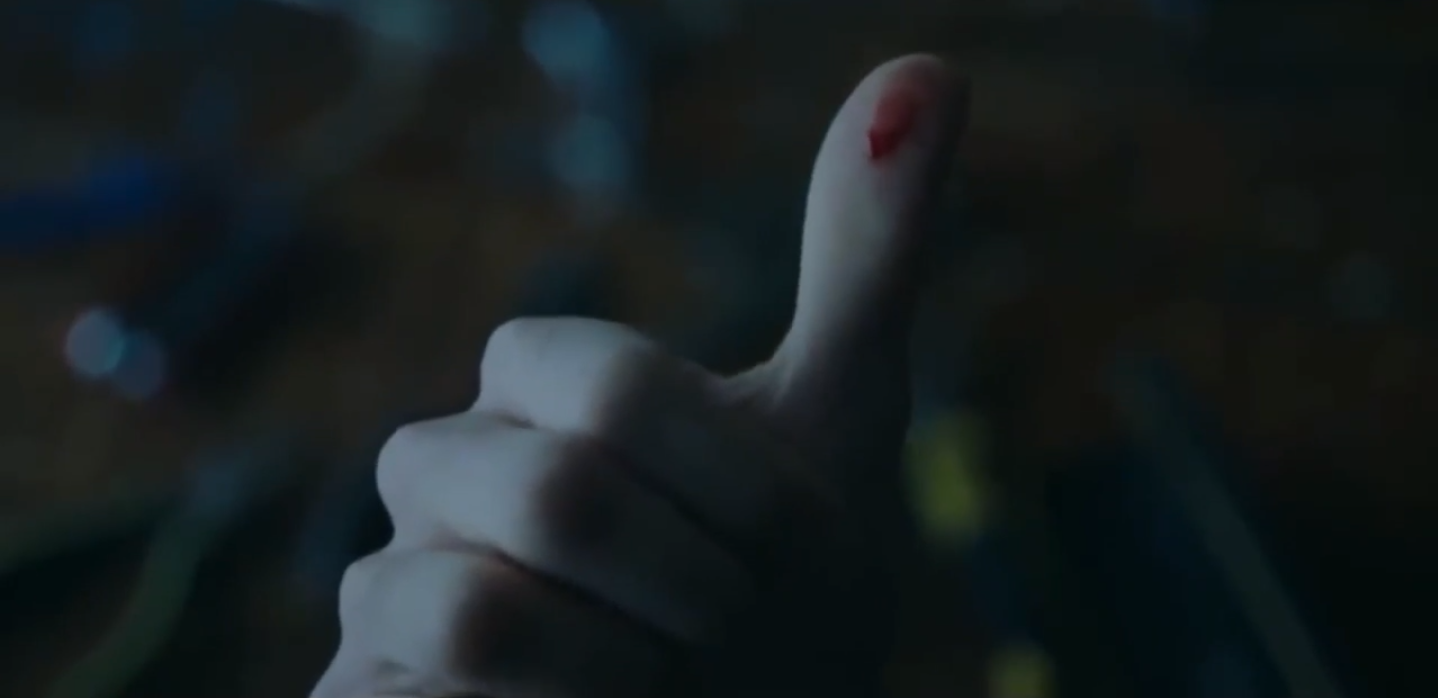
We then go from the relatively ‘dreamlike’ vision of violence from the alleyway fight, to him confronting the very real, tangible blood on the weapons that he used.
The character is acknowledging that his violent tendencies are very much a real problem and even shows some sense of remorse about the fact. It establishes that the character is flawed and is aware of that fact, but seems unable to prevent himself from following the dark path that he has set himself upon.
All in all, I feel that Warner Bros has definitely earned the right to use these characters in the show. They have great ability at showing and developing character through visual narrative alone and present the characters as extremely complex and human in their actions so that, even when in scenarios we couldn’t ever imagine being in, we can relate to them on a basic human level. I very much enjoy the way that they’re tackling this series and I can’t wait to see what happens in the second season.
Our Ambleside project finally came to fruit after what felt like years of preparation on our part. We were unlucky enough to not snag our contributor on the first day but in fact only had our final day to film when Shane finally got back to us and told us that he was able to film for a limited amount of time.
Whilst our block for shooting was very, very slim we made use of the restricted time that we had to get a completely organic interview with our subject and as a result we didn’t need to stage anything in order to gain any sort of response from Shane as we were filming and as a result, the only constructed part of our film was the physical, walking scenes that played a very pivotal part in our narrative.
Though the problems that arose with a completely organic, non scripted interview with our contributor meant that if we didn’t get all of our footage initially then we would be unable to record again. So we were 100% sure that with whatever questions that we asked for our contributor would gain the answer that we desired rather than whatever the contributor thought was appropriate for the time.
Whilst the organic approach was by far the most natural and informative way to gain our information and we were assured that the reaction of our contributor was genuine, the rambling nature of the interview meant that during the paper edit process we had to eliminate and prioritise a lot of the footage that we had gained in order to tell the same story, but in a concise and affirmative way that wouldn’t detract from the impact value of the scene.
Our final piece, whilst having cropped out a very large amount of our information, I feel like it gathers the essence of what Shane was trying to detail to us. How the tragedy of his friend drowning spurred him on to do far greater thing for charity and eventually raise a lot, LOT of money for a charity in his friend’s honour that would help victims trapped in a similar state as huim
Not only is our narrative relatable, it also appeals to a very close sense of humanity within the reader than you may not have been able to see within the earlier draft.
Having worked a primarily coursework and exam based course beforehand, this has been my first ever experience working in an actual crew when it comes to practical filmmaking.
In my college years, I either filmed completely by myself or in small groups of three or less. Working in such a small group, negotiation is never really needed as a limited amount of roles can only be taken up by a limited amount of people. When I came to university, it was my first ever experience working in a proper film crew with the negotiation needs and the equipment that professionals are expected to deal with and it was initially a very jarring change from what I was used to.
I am used to working in a team; having been in the retail business since i was 16 means that i have a good grasp on what it means to work as part of a collective.But when you are placed into a new, completely film based environment, you are made to adapt to a very stressful set of rules. I was able to quickly adapt to working within a film crew, but actually going through with stuff such as the production file process was a completely new experience for me.
Luckily, the vast majority of my crew are experienced in this field and i Have received a lot of help and guidance regarding responsibility within the AMbleside project. My sense of punctuality and urgency has improved, as well as my ability to improvise when the situation come up that requires it.
 Ramblings of a Film Student