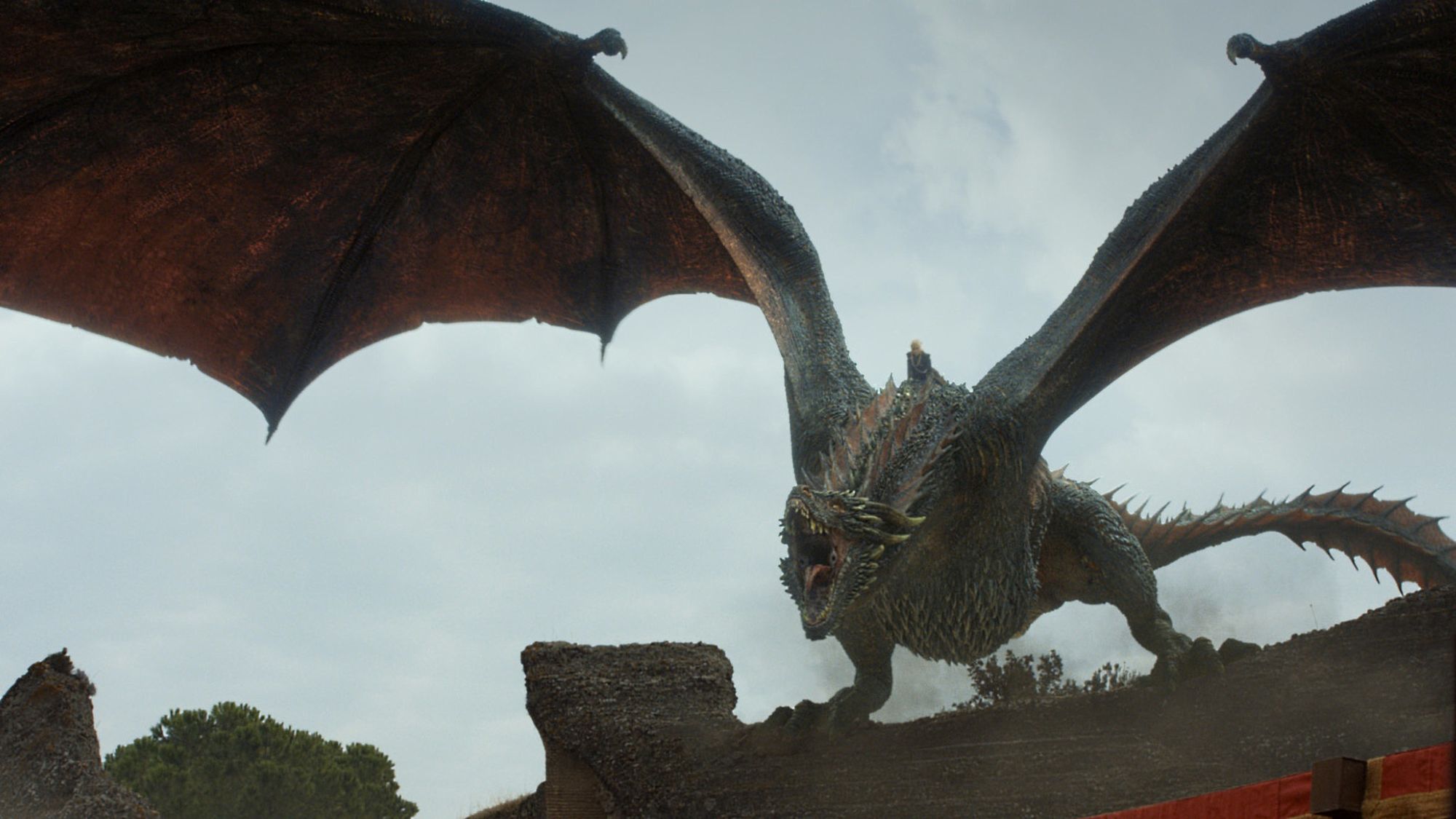
A well established fact of reality; dragons and mythical beasts do not exist,
A well established fact of reality; dragons and mythical beasts do not exist. The plethora of fantastic creatures that exist within the realm of fantasy are not in our real life experience and yet, if asked, we will instantly know what said creatures sound like and act like.
After watching Game of Thrones for an extensive amount of time, I decided to do a little bit of research into the sound effects that bring the dragons such as Drogon to life on screen despite the fact that his existence is entirely digital and should not be take into account at all.
At a base level, sound design is entirely complex. For a single moment with a fantasy creature such as a dragon, multiple sound effects may be used to ensure that the interaction between dragon and human is completely organic despite the fact that only one of the two parties exist in any sense of the word. For the sounds of Drogon in season 1-7 of Game of Thrones, the primary sounds that are used are horse, pig, tortoise and even giraffe noises.
The final sound design that comes from within a scene is complex; if the sound design has been done to a suitable standard then the individual components are masked by the overall effect and we are unable to identify any single source of sound within the final mix. As a result, it is nearly impossible to drag the viewer away from the experience that is the fantasy world of Westeros and realise that the sounds we are hearing are completely constructed and don’t belong to an animal that has never existed,
 Ramblings of a Film Student